Transform Your Bath into a Meditation Oasis Boost Clarity Relaxation
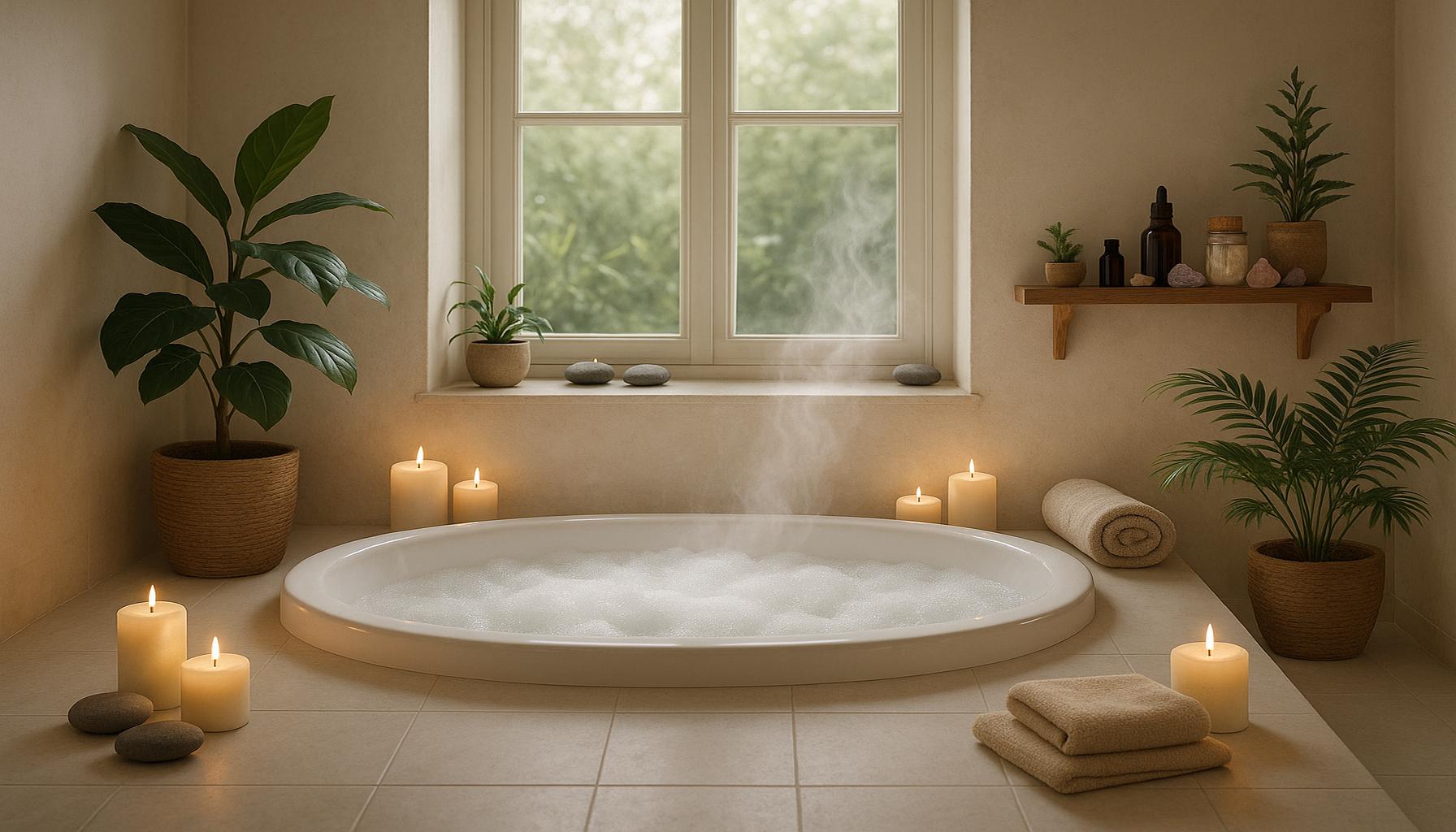
Discovering Serenity Amidst Chaos
In today’s fast-paced world, where the noise of notifications and the constant buzz of activities often dominate our lives, finding brief moments of peace is not just a luxury, but a necessity. These moments of tranquility are pivotal in maintaining mental health. Surprisingly, an unassuming place—the shower—can transform into a personal haven, offering more than just physical cleansing.
The Rise of Shower Meditation
Shower meditation is emerging as a beacon of calm in daily life, seamlessly weaving mindfulness into an everyday routine. This practice doesn’t require extensive time commitments or equipment, making it an accessible option for individuals seeking to incorporate mindfulness practices. It revolves around focusing on the present moment, aided by the calming presence of water. This not only turns a daily ritual into a revitalizing experience but also contributes positively to mental health by improving concentration and diminishing anxiety.
Why Water Calms the Mind
The therapeutic potential of water has been celebrated across cultures and centuries. Its rhythmic flow, combined with the gentle sensation of warmth, works wonders in lowering stress hormone levels. Moreover, the sound of water creates white noise that can soothe the mind, making it easier to immerse oneself in meditation.
Top 5 Techniques to Maximize Your Shower Meditation
- Conscious Breathing: As water cascades down, focus intently on your breath, noticing its rhythm and depth. This anchors you to the present moment.
- Body Awareness: Be mindful of every droplet touching your skin. Pay attention to sensory details: temperature, pressure, and touch.
- Gratitude Reflection: Think of things you are thankful for during this personal time. This type of reflection can foster a positive mindset.
- Visualization: Imagine stress being washed away with each drop. Visualizing cleansing can be an effective technique to alleviate mental burdens.
- Sensory Focus: Use scented soaps or shampoos as a focal point, engaging your senses and grounding your thoughts.
Each of these techniques is designed to amplify your mindfulness practice, evolving an ordinary routine into a transformative ritual. As you explore these methods, your bathroom becomes more than a functional space; it becomes a refuge of peace and mental clarity.
Transformando o Banho em um Refúgio de Meditação: Técnicas para Aumentar a Clareza Mental e o Relaxamento
In today’s fast-paced world, moments of peace and mindfulness can often seem out of reach. Yet, hidden within the routine of daily life lies a potent opportunity for rejuvenation and clarity: the shower. This seemingly mundane activity can be transformed into a sanctuary of meditation, providing solace and mental clarity amidst the chaos of everyday life. Here, we unfold the top five techniques that will help you tap into the meditative powers of your shower, turning it into a haven for relaxation and mental well-being.
5. Mindful Breathing Techniques
Among the foundational elements of shower meditation is the practice of mindful breathing. By centering your attention on each breath, you cultivate a deeply relaxing state. The temperature and sound of running water create a perfect backdrop for this practice, amplifying its calming effects.
To deepen your mindful breathing:
- Begin with a deep inhalation through your nose, letting the air fill your lungs slowly.
- Hold the breath gently for a few moments, allowing your focus to center solely on this action.
- Exhale slowly through your mouth, visualizing tension leaving your body with each breath out.
- Continue this cycle, gently steering your attention back to your breathing if your mind begins to wander.
Regular practice of mindful breathing in the shower enhances your conscious connection with the present moment, grounding your thoughts and emotions. This foundational technique not only invigorates your shower experience but also builds resilience and mental clarity, preparing you for the day ahead.
4. Sensory Engagement
Engaging all your senses is key to turning a simple shower into a holistic meditative escape. The shower, with its symphony of sensations, provides a unique setting to heighten sensory awareness.
To fully immerse in sensory engagement, consider these steps:
- Opt for aromatherapy-enhanced products to stimulate your olfactory senses with soothing scents like lavender, eucalyptus, or chamomile.
- Notice the sensations of your body wash or soap. Feel the texture against your skin, noticing the contours and sensations it precipitates.
- Pay attention to the cacophony of water sounds, each droplet creating a rhythm that can become a calming chant.
Through sensory engagement, you anchor yourself to the present experience, reducing stress and promoting mindfulness. These sensations not only ground you in the now but also subtly shift your mental state towards relaxation and openness.
3. Visualization Techniques
The art of visualization during your shower meditation can enhance your mental and emotional landscape. Visualization involves crafting vivid mental images that invoke calm and tranquility, transporting your mind beyond the shower walls.
To practice visualization, you can envision:
- A tranquil beach with the sound of gentle waves creating a meditative soundscape.
- A lush forest where the sunlight dances through the canopy, enveloping you in warmth and peace.
- The cascading soothing power of a waterfall, with its endless flow symbolizing the release of stress.
Such mental imagery can evoke profound peace, allowing your mind to detach and find serenity. These visualizations not only offer an escape but also enhance your focus and mental clarity, nurturing a harmonious mindset to tackle life’s challenges outside the bathroom sanctuary.
2. Affirmations for Inner Peace
Incorporating affirmations into your shower routine can lead to a profound shift in your mental state. Affirmations are personal mantras, positive statements that can reshuffle your mindset and reinforce beneficial thoughts and feelings.
While enjoying your shower, focus on these affirmations:
- “I am calm and centered,” bringing your mind to a state of equilibrium.
- “Each breath brings me peace,” reinforcing tranquility with each inhale and exhale.
- “I release what does not serve me,” assisting you in letting go of mental burdens.
Daily repetition of these affirmations reinforces positivity, creating a ripple effect in your daily interactions and self-perception. This practice enhances self-awareness and contributes significantly to your overall sense of well-being, making it a potent tool in the art of shower meditation.
1. Intention Setting for Clarity
Foremost in our list is the art of setting intentions before your shower, establishing a mental premise for your meditative practice. By focusing on what you aim to gain, you create a targeted approach to your meditation.
For effective intention setting, consider these steps:
- Quietly contemplate what you wish to achieve from your shower meditation. Reflect on specific goals—be it clarity, tranquility, or reflection.
- Formulate these goals into clear, peaceful intentions, such as “I seek clarity” or “I embrace tranquility.”
- As you shower, hold these intentions in your mind, allowing them to guide your focus and meditative practice.
Setting intentions provides a focal point for your thoughts, cementing a deeper connection with your inner self. This practice cultivates a mindset of clarity and purposeful action, extending the benefits of your meditative shower into all aspects of your life.
Integrating these five techniques into your daily routine can transform your shower into a profound meditative experience. Through mindful breathing, sensory engagement, visualization, affirmations, and intention setting, you unlock a path to mental clarity and relaxation, nurturing both mind and soul. These practices create a sanctuary within your day, offering peace and presence in ever-growing moments. By consistently applying these techniques, your shower becomes not just a place for physical cleansing, but a true refuge for the mind.
| Meditative Techniques | Description | Benefits | Considerations |
|---|---|---|---|
| Mindful Breathing | Focused breathing techniques that promote relaxation. | Enhances clarity and reduces anxiety. | May require practice to master and fully benefit. |
| Visualization | Imagining serene settings while bathing to create mental tranquility. | Encourages relaxation and a sense of peace. | Some may find it challenging to visualize effectively. |
| Aromatherapy | Using essential oils to create a calming atmosphere. | Stimulates the senses and enhances mood. | Allergies to various scents may limit effectiveness for some. |
| Sound Meditation | Incorporating soothing music or nature sounds to promote relaxation. | Can enhance emotional well-being and depth of meditation. | Some may be distracted by sounds rather than calmed. |
Each of the meditative techniques discussed transforms your bathing experience into a profound ritual, highlighting the potential for serenity and clarity. **Mindful breathing** acts as the anchor of the practice; it’s the moment where the outside world fades and the mind becomes still. Participants report a notable decline in anxiety as they incorporate deep breathing routines into their daily rituals.**Visualization** serves as a canvas for the mind; here, individuals can escape to their ideal sanctuaries—the mountains, beaches, or serene forests. Engaging the imagination can yield stress relief that felt less accessible before. However, some novices may initially find it challenging to draw vivid images that resonate deeply.As a complement, **aromatherapy** brings an array of fragrances that can enhance emotional states. Oils like lavender and eucalyptus can soothe the spirit. Yet, there are times when scents may trigger allergies or sensitivities, which can hinder beneficial outcomes.On the auditory spectrum, **sound meditation** has garnered appreciation for its ability to create a captivating backdrop, aiding in deepening one’s meditative state. Soft melodies or sounds of nature can evoke feelings of safety and tranquility. However, this may not be universal; for some individuals, the incorporation of sounds might distract rather than relax, warranting careful consideration about personal preferences.Together, these practices converge, offering an opportunity to transform ordinary baths into a nourishing experience for both the body and mind, enhancing the journey toward enhanced mental clarity and relaxation.
Frequently Asked Questions about Transforming Your Bath into a Meditation Retreat
How can I turn my regular bath into a meditation retreat?
Transforming your bath into a meditation retreat involves a few simple steps to enhance your experience. Begin by setting an intention for your bath, focusing on relaxation or clarity. Create a calming atmosphere with the right lighting—candles are a popular choice. Adding essential oils or bath salts can also greatly enhance relaxation. The key is to focus on your breathing and being present in the moment, allowing your mind to relax and your body to rejuvenate. Ultimately, it’s about creating a personal sanctuary that allows you to disconnect from the outside world.
What are the benefits of meditating in the bath?
Meditating in the bath offers multiple benefits that can enhance both mental clarity and physical relaxation. The warm water helps to relax muscles and improve circulation, which can alleviate physical tension. Additionally, the bath environment, if properly set, can enhance mindfulness practices, helping to reduce stress and anxiety. This combination of factors can lead to a deeply rejuvenating experience. Scientific studies have shown that meditation can improve mental health, leading to increased feelings of well-being and inner peace.
Are there specific meditation techniques suitable for the bath?
Yes, certain meditation techniques are particularly well-suited for the bath setting. One popular approach is mindfulness meditation, which involves focusing on your breath and bodily sensations. You can also practice visualization, imagining a peaceful setting to enhance your relaxation. Additionally, incorporating simple breathing exercises to slow down your heart rate can deepen your meditative state. Exploring different techniques can help you determine what works best for creating your personalized bath meditation ritual.
How long should a bath meditation session last?
The duration of a bath meditation session can vary based on personal preference, but most find that 20 to 30 minutes is effective. It’s important to ensure the water remains warm, so keep an eye on your comfort level. For beginners, starting with shorter sessions and gradually increasing the time might be beneficial. The ultimate goal is to leave the bath feeling refreshed, so listen to your body and adjust accordingly.
Can anyone practice meditation in the bath, or are there any precautions?
While most people can benefit from bath meditation, it is important to take certain precautions. Ensure the water temperature is comfortable and not too hot to avoid dizziness or irritation. It’s also advised to keep the water at a safe level to prevent any risk of slipping or accidents. Pregnant individuals or those with medical conditions should consult a healthcare provider to ensure this practice is safe for them. Always prioritize safety and comfort in your meditation routine.
Conclusion
Transforming your shower into a meditation sanctuary is not only a practical approach to integrating mindfulness into daily life, but it also serves as a powerful tool for enhancing mental clarity and relaxation. As explored in this article, bringing meditation into the shower combines the best of two worlds: the revitalizing physical cleanse and the mental purification through focused attention and presence.
The techniques discussed provide a comprehensive guide for anyone looking to enrich their daily routine. Focusing on the rhythmic sound of water, emphasizing sensory awareness, practicing mindful breathing, and using visualization exercises each contribute to creating an immersive meditative experience. These methods not only promote relaxation but also assist in reducing stress and boosting emotional well-being.
Incorporating shower meditation reflects an understanding of the benefits of mindfulness practices in busy modern lives. It harnesses an everyday activity, encouraging us to cultivate a deeper connection with ourselves, facilitating personal growth and introspection. As the pace of life continues to accelerate, finding time to integrate these meditative practices can be a vital component in maintaining balance and serenity.
Ultimately, converting the shower into a meditation refuge is less about time constraints and more about mindset. With intention and practice, it can become a catalyst for improved mental health and a renewed appreciation of the present moment. This accessible and transformative practice invites us to delve deeper into the potential of everyday mindfulness, urging a closer examination of how routine tasks can evolve into moments of profound peace and clarity. This may inspire further exploration and integration of such techniques into various aspects of life.
Related posts:
How the sensory elements of bathing can intensify meditation
How Shower Meditation Can Improve Creativity and Mental Clarity
Incorporating Aromatherapy in Shower Meditation for Deep Relaxation
The role of music and natural sounds in shower meditation for effective relaxation
The Art of Meditating in the Shower: How Water Enhances Relaxation and Mental Clarity
The Role of Visualization in Shower Meditation to Reduce Stress

Linda Carter is a writer and meditation guide specializing in mindfulness practices and inner peace. With extensive experience helping individuals cultivate mental clarity and emotional balance, Linda shares her wisdom on our platform. Her goal is to empower readers with practical techniques and mindful strategies to reduce stress, enhance self-awareness, and achieve lasting tranquility in daily life.