The Art of Renewing the Mind: Revitalizing Meditation Techniques During Bathing
The Benefits of Integrating Meditation and Bathing
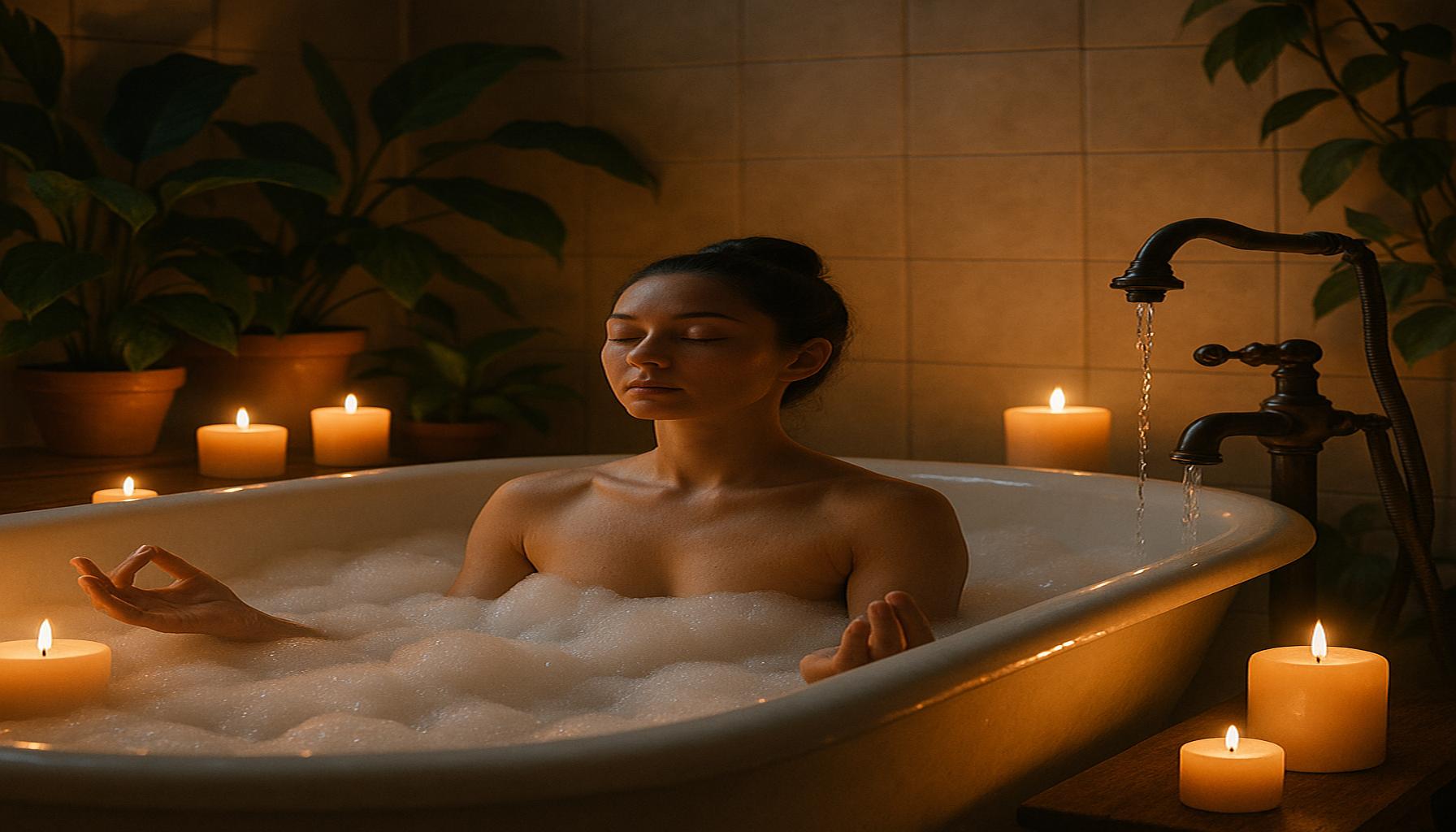
Imagine stepping into a warm bath, surrounded by soothing scents and calming sounds. This sacred space offers an opportunity to engage in meditation techniques that not only promote relaxation but also revitalizes the mind. Integrating meditation into your bathing routine can transform an ordinary experience into a profound journey of self-renewal.
By intentionally creating a serene atmosphere, you can enhance your bathing experience. Start by dimming the lights or lighting a few candles to foster a relaxing environment. The gentle glow can set the stage for tranquility. Additionally, consider playing soft instrumental music or nature sounds to further immerse yourself in this soothing ritual. The combination of warmth, sound, and scent can be profoundly effective in calming the mind.
The art of renewing the mind through bathing involves:
- Mindfulness: Focusing on the sensations of water against your skin. Pay attention to the temperature and texture of the water, and how it envelopes and cradles you. This practice encourages you to be present, allowing the worries of the day to melt away.
- Breathwork: Utilizing controlled breathing to enhance relaxation. Try inhaling deeply through your nose for a count of four, holding for a count of four, and exhaling slowly for a count of six. This simple yet effective technique can decrease stress and promote a sense of calm.
- Aromatherapy: Incorporating essential oils to elevate mood and clarity. Oils such as lavender, chamomile, or eucalyptus can provide various health benefits, from promoting relaxation to relieving tension headaches. Try adding a few drops to your bathwater or using a diffuser to enhance the atmosphere.
While meditation is often associated with quiet, still environments, combining it with bathing can unlock new dimensions of mental rejuvenation. This symbiotic relationship between water and meditation harnesses the healing properties of both elements to foster mindfulness and clarity. Water has long been seen as a cleansing element in various cultures, symbolizing renewal and rebirth. By pairing this with meditation, you create a powerful tool for emotional and psychological well-being.
As you delve deeper into this practice, you will discover various techniques that can be effortlessly added to your bathing ritual. For instance, consider guided visualizations, where you imagine yourself in a peaceful setting, like a serene lake or a gentle stream. Alternatively, mantra repetition—silently repeating a calming phrase—can help focus your mind and create a sense of purpose. Even simply allowing thoughts to flow like water without judgment can be liberating, freeing you from the constraints of daily stress.
Are you ready to immerse yourself in this transformative experience? With just a few intentional additions to your bathing routine, you can turn a daily necessity into a sanctuary of relaxation and self-reflection. Whether you’re looking to relieve daily stress, cultivate mindfulness, or simply enjoy a moment of peace, incorporating meditation into your bathing practice can lead to a richer, more fulfilling experience.
DISCOVER: Click here to enhance your shower meditation
Creating Your Ideal Bathing Sanctuary
To truly harness the power of meditation techniques during bathing, it’s essential to create a personalized sanctuary where relaxation and mindfulness can flourish. Begin with the temperature of the water, as a comfortably warm bath can induce physical relaxation and help release tension from the muscles. Aim for water that is neither too hot nor too cold, striking a perfect balance that invites you to unwind. To further enhance the experience, consider adding bath salts or bubbles infused with natural ingredients. Epsom salt is known not only for its muscle-relaxing properties but also for its ability to promote mental clarity, thanks to the magnesium it contains.
Once your bath is prepared, shift your focus to your surroundings. The right ambiance can significantly affect your ability to meditate effectively. To ensure that your space is conducive to relaxation, make use of calming elements such as:
- Candles: The flickering light creates a comforting glow while the soft scents add a layer of tranquility.
- Plants: Incorporating greenery or flowers can purify the air and make the environment feel more alive.
- Soft Textiles: Having a plush towel or mat nearby will improve comfort and allow for a smooth transition from water to rest.
- Soundscapes: Utilize a sound machine or application that offers recordings of nature sounds—think of gentle rain, waves crashing, or birds chirping—to envelop your bathing haven in a soothing auditory landscape.
These elements are not mere accessories; they are integral to crafting an immersive environment that fosters mindfulness and redirects focus away from daily stresses. With your bath set up as a serene retreat, you can cultivate a meditative mindset more easily.
Understanding the Principles Behind Meditative Bathing
At the heart of integrating meditation with bathing lies the principle of mindfulness. Mindfulness is the practice of maintaining a moment-by-moment awareness of our thoughts, feelings, bodily sensations, and the surrounding environment. As you sink into the warm water, reflect on the sensations coursing through your body and allow distractions to fade away. Recognize how the worries of the day are gently washed away, much like the water that envelops you.
This process not only rejuvenates the mind but also reconnects you with your body. Paying attention to the individual sensations of droplets cascading down your arms or the sensation of weightlessness can deepen your experience and heighten your awareness. It is within this state of presence that you can unearth profound insights about yourself, reflect on your day, or simply embrace stillness.
Incorporating breathwork is another powerful aspect of meditation during bathing. As you find a comfortable position, focus on your breath—deep inhales and slow exhales can create a rhythmic quality, anchoring your mind in the present moment. This mindful breathing can mitigate feelings of anxiety and stress, allowing your thoughts to settle like the stillness of the water around you.
By thoughtfully combining these elements—creating an inviting atmosphere, practicing mindfulness, and incorporating breathwork—you can cultivate a transformative ritual that enhances both your bathing experience and mental well-being. In the next sections, we will delve into specific meditation techniques tailored to this unique setting, ensuring that you leave feeling not just clean, but renewed and revitalized.
| Category | Description |
|---|---|
| Enhanced Mindfulness | Integrating meditation techniques into bathing creates a space for mindful awareness, where the focus can shift from daily stresses to the present moment. |
| Stress Relief | Utilizing the soothing nature of water combined with breathing techniques fosters deep relaxation, effectively reducing anxiety and promoting emotional wellbeing. |
| Creativity Boost | The serene environment of a bath can stimulate creative thinking, inspiring fresh ideas and perspectives while meditating. |
| Physical Rejuvenation | Warm water aids in muscle relaxation and promotes better circulation, amplifying the physical benefits of meditation during bathing. |
The integration of meditation while bathing invites individuals to engage deeply with their mind, leading to enhanced personal transformation. Practices such as visualization, deep breathing, and affirmations can peak serenity and foster a sense of tranquility amidst a chaotic world.
DISCOVER MORE: Click here to learn about shower meditation
Engaging the Senses for a Deeper Experience
To elevate your bathing meditation practices, engage your senses fully. Each of the five senses plays a vital role in creating a multi-dimensional experience that can enhance mindfulness and bolster mental clarity. Here are some sensory enhancements you can integrate into your bathing ritual:
- Visual Stimulation: Consider using soft, muted lighting to create an inviting atmosphere. If you prefer, add soft lighting in the form of fairy lights or colored gels that emit soothing hues like gentle blues or soft purples. Even simple additions like a beautiful view of nature or artwork can help provoke thoughtfulness and serenity.
- Olfactory Bliss: The power of scent should not be underestimated. Aromatherapy oils, such as lavender for relaxation or eucalyptus for clarity, can be added to the water or used in a diffuser. Alternatively, combining essential oils with your bath products will infuse the air with soothing fragrances that promote tranquility.
- Auditory Tranquility: In addition to nature sounds, consider experimenting with sound bowls or gentle instrumental music. The frequencies produced can resonate with your body, enabling a deeper meditative state. Look for playlists dedicated to meditation or sound healing specifically designed to accompany relaxation practices.
- Tactile Indulgence: The feeling of the water against your skin is crucial, and you can enhance this sensation by varying the temperature during your bath. You might also incorporate soft sponges or brushes to gently exfoliate or massage your skin, bridging the gap between relaxation and self-care.
- Gustatory Exploration: Hydration is often overlooked in bathing rituals. Consider keeping a glass of herbal tea nearby, such as chamomile or peppermint, which can calm the mind and aid digestion. Sipping tea intermittently throughout your bath can offer moments of grounding as you tune into the warming liquid.
By engaging these senses, you can create a powerful atmosphere conducive to meditation, making your bathing experience a sanctuary of mindfulness and peace.
Incorporating Guided Visualization
Guided visualization is an enriching technique that can be particularly effective during bathing. This approach involves creating mental imagery based on relaxation themes or specific goals. As you sink deeper into the water and your body begins to unwind, picture a serene landscape: perhaps a peaceful beach with waves gently lapping at your feet or a tranquil forest where every leaf rustles in harmony with your breath.
To perform guided visualization, start by closing your eyes and taking several deep breaths to initiate the process. As you breathe, visualize yourself in the place you have imagined. What sounds do you hear? What scents linger in the air? Clothing your imagination with these sensory details can enhance the overall impact of your meditation.
This technique serves not only to deepen relaxation but also to foster a profound sense of inner safety and comfort. Visualization is known for promoting creativity and problem-solving abilities, so take your time exploring various scenarios that resonate with your personal aspirations or healing journeys.
Additionally, you can use recorded guided meditations that complement your bathing experience. Many apps offer options specifically tailored for such practices. The soothing voice of a guide can help you navigate through the visualization process, supporting you in achieving a tranquil state.
As you explore these methods, experiment with combining different techniques such as visualization, breath awareness, and sensory engagement. This rhythmic dance of elements can transform an ordinary bathing session into a unique escape—one that rejuvenates not only the body but also revitalizes the mind.
DISCOVER MORE: Click here to learn about the benefits of shower meditation
Embracing the Calm Through Intention
In conclusion, the journey of renewing the mind through bathing meditation is a profound practice that invites us to embrace calmness and clarity in our daily lives. By engaging all five senses, we create an immersive experience that diminishes stress and enhances mental clarity, making our bathing ritual not just a routine but a transformative escape. The sensory elements we discussed, such as soothing visuals, calming aromas, tranquil sounds, and gentle touch, all converge to form a sanctuary of peace, allowing us to reconnect with ourselves.
Additionally, incorporating guided visualization amplifies the meditation experience, enabling us to craft serene mental landscapes that nurture creativity and inner peace. By consciously integrating these techniques, we can turn each bath into a powerful moment of mindfulness and self-reflection. This not only revitalizes our bodies but also empowers our minds to welcome fresh perspectives and cultivate a deeper sense of well-being.
As you explore the art of revitalizing meditation techniques during bathing, consider how each element can be tailored to your preferences and needs. This personalization fosters a genuine connection to your meditation practice. Whether through floral scents, nature sounds, or gentle tea sips, remember that the essence of this journey lies in your ability to find what resonates. Embrace the process, allow yourself to unwind, and make each bathing session a cherished ritual of renewal and mindfulness in your everyday life.
Related posts:
Refreshing the Soul: Bath Meditation Techniques for Personal Rejuvenation
Energy Flow: How Water Enhances the Practice of Meditation in the Bath
Refreshing the Mind: Bath Meditation Experiences for Mental Clarity
Personal Experiences: Stories of Transformation Through Invigorating Meditation in the Shower
How to Incorporate Aromatherapy to Enhance the Shower Meditation Experience
The Power of Cold Water: How Cold Baths Enhance Meditation and Well-Being

Linda Carter is a writer and meditation guide specializing in mindfulness practices and inner peace. With extensive experience helping individuals cultivate mental clarity and emotional balance, Linda shares her wisdom on our platform. Her goal is to empower readers with practical techniques and mindful strategies to reduce stress, enhance self-awareness, and achieve lasting tranquility in daily life.