The Art of Breathing: Mindfulness Practices to Incorporate During Bathing
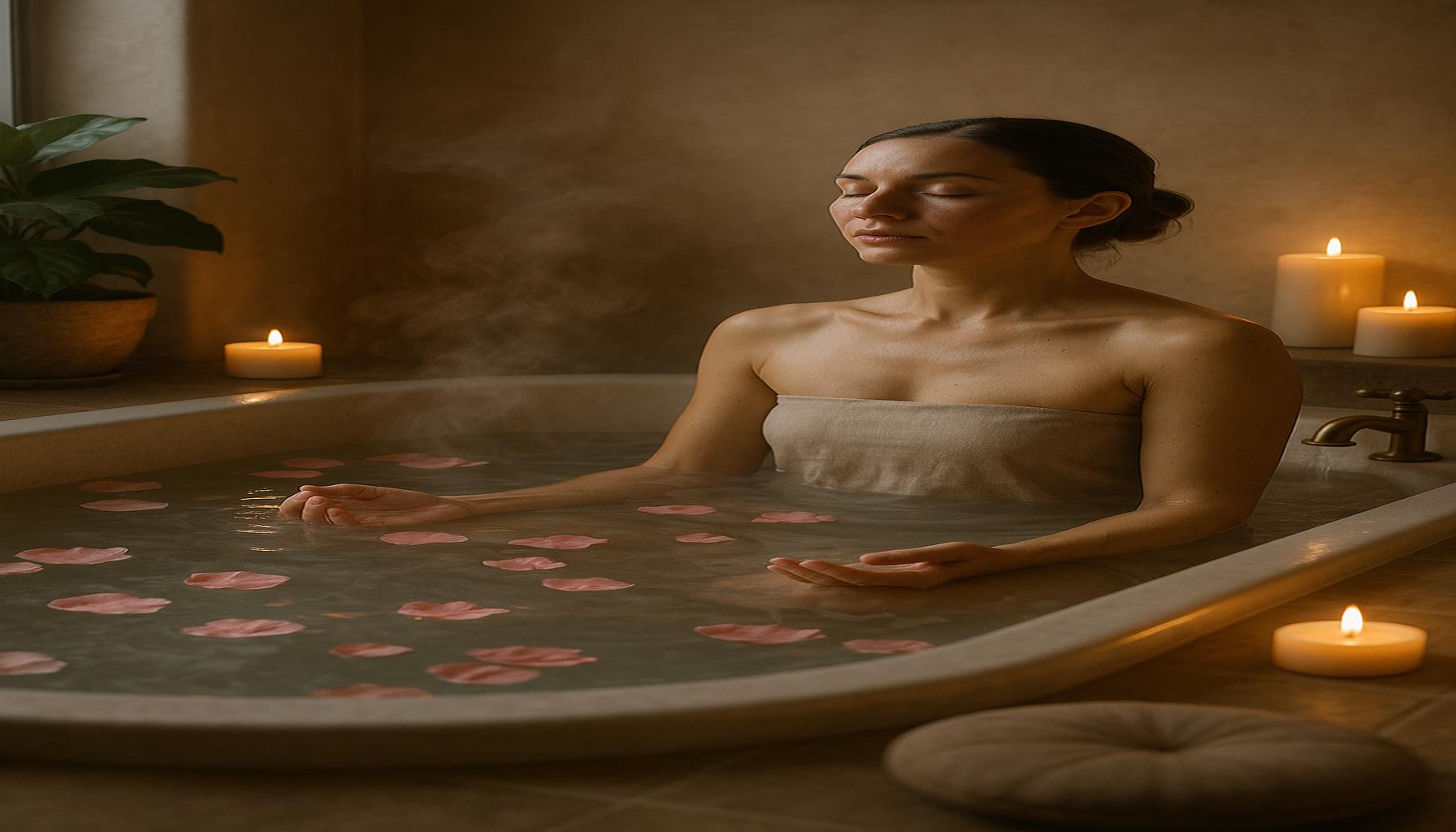
Finding Peace in Everyday Moments
In the hustle and bustle of daily life, finding moments of peace can feel like a distant dream. However, integrating mindfulness practices into simple routines, like bathing, can transform these fleeting moments into a sanctuary of tranquility. The act of bathing can be more than just a necessity; it can serve as a meaningful opportunity for self-care and reflection, drawing upon ancient practices that have been celebrated across cultures for their mental and physical benefits.
Breathing is a fundamental element of mindfulness. It allows us to anchor our thoughts and emotions, promoting relaxation and clarity. The sensation of warm water enveloping the body while breathing deeply can enhance this experience. Consider these techniques:
- Deep Breathing: Begin by inhaling deeply through your nose, allowing your diaphragm to expand fully. Hold for a moment and then exhale slowly through your mouth, releasing tension as you do. This technique can reduce stress hormones and promote a sense of calm.
- Counting Breaths: To maintain focus, count each inhale and exhale up to ten and then start over. This simple exercise helps clear mental clutter, making it easier to enjoy your moment of bath-time tranquility.
- Visualization: As you breathe, imagine calming images, such as waves gently lapping against a shore or trees swaying in a soft breeze. This practice can transport your mind to a peaceful place, enhancing relaxation during your bathing ritual.
By embracing these techniques while bathing, you can create a soothing environment that fosters mental clarity and rejuvenation. This mindful approach doesn’t just enhance your bathing experience; it contributes significantly to your overall well-being. Studies have shown that regular mindfulness practices can lead to reduced feelings of anxiety and increase satisfaction in daily life.
As you delve into the art of breathing, discover how these practices can help you reconnect with yourself, establishing a profound sense of calm. The ritual of bathing, combined with focused breathwork, can help clear away mental fog, allowing you to return to your day feeling refreshed and more centered.
Join us as we explore these impactful mindfulness techniques in deeper detail. Whether you are seeking a brief escape from daily pressures or hoping to establish a more consistent practice, the bath can be your haven—a place to cultivate tranquility amid life’s chaos.
DISCOVER MORE: Click here to enhance your mental clarity
Breathing Techniques for a Transformative Bathing Experience
The sanctuary of your bathroom can become a stage for profound relaxation when combined with the art of breathing. By harnessing breathwork, you can elevate your bathing ritual to a mindful practice that nurtures both body and soul. The connections between breath, body, and mind are well-documented; research indicates that conscious breathing can lead to significant reductions in stress and anxiety levels. Understanding and practicing various breathing techniques while bathing can help deepen this experience.
As you immerse yourself in warm water, consider incorporating these mindfulness breathing techniques into your routine:
- Four-Square Breathing: This technique involves inhaling for a count of four, holding your breath for four, exhaling for four, and holding your lungs empty for another count of four. This structured approach can help regulate your breathing and create a rhythm that instills calmness, ideal for the tranquil atmosphere of your bath.
- Box Breathing: Similar to four-square breathing, box breathing takes it a step further. Visualize a box as you breathe—inhale up one side for four counts, hold at the top, exhale down the opposite side for four counts, and hold again at the bottom. This method not only calms the mind but also physically supports you as you settle into the water.
- Alternate Nostril Breathing: Emphasizing balance, this technique involves using your fingers to alternate the closing of each nostril as you breathe. Begin by closing the right nostril, inhaling through the left, closing the left nostril, and exhaling through the right. This practice is said to promote harmony within your body and can be beneficial during moments of self-reflection.
Experimenting with these techniques can deepen your awareness and create a greater sense of presence in your bathing experience. The act of focusing on your breath while enjoying the sensation of warm water can help dissolve thoughts of daily stressors, transforming your bathroom into a dedicated space for mindfulness.
Traditional practices from cultures around the world have long understood the importance of breathing. For example, yogic traditions emphasize pranayama, or breath control, as a tool for achieving mental clarity and physical health. Integrating these principles into your bathing ritual helps to revive not only the senses but also the mind. Engaging in breathwork during this time fosters a stronger connection between your inner state and the soothing effects of warm water.
As you explore these mindfulness practices, consider creating a sensory experience that complements your breathing exercises. Dim the lights, add calming essentials like lavender or eucalyptus to the water, and allow this dedicated time to prioritize your well-being. By making your bathing ritual mindful through breathing techniques, you cultivate a deeper connection to yourself, paving the way for a lasting sense of peace throughout your day.
| Mindfulness Practice | Benefits |
|---|---|
| Breath Awareness | Enhances focus, reduces anxiety. |
| Visualization Techniques | Promotes relaxation, deepens introspection. |
| Progressive Relaxation | Alleviates tension, increases body awareness. |
| Gratitude Reflection | Cultivates a positive mindset, enhances emotional well-being. |
Incorporating mindfulness practices into your bathing routine can yield profound benefits for both mental and emotional health. One fundamental technique is Breath Awareness, which encourages you to connect deeply with your inhalations and exhalations. This practice not only enhances focus but also diminishes feelings of anxiety—transforming your bath into a sanctuary of peace. Another enriching activity is Visualization Techniques. By picturing calm and serene settings while bathing, you can promote a deep state of relaxation, allowing for significant introspection. Meanwhile, Progressive Relaxation can help you systematically release tension from each part of your body, fostering increased body awareness and relaxation. Lastly, don’t underestimate the power of Gratitude Reflection. Taking a moment to acknowledge things you are thankful for can nurture a positive mindset, reinforcing emotional well-being. By embracing these techniques, you can explore the art of breathing in a way that elevates the bathing experience to new heights of tranquility.
DISCOVER MORE: Click here for aromatic insights
Enhancing Your Bathing Experience Through Breath Awareness
While specific breathing techniques can significantly enhance your bathing ritual, the key to truly transforming your experience lies in the conscious awareness of your breath throughout the process. This mindfulness practice not only encourages relaxation but also fosters an environment where you can genuinely engage with your thoughts and feelings. The simple yet profound act of observation becomes a tool for deeper self-discovery as you float in your serene bath.
To begin this journey of breath awareness, it is essential to establish a quiet mental space. Prior to stepping into your bath, take a moment to set your intentions. Reflect on what you want to release during this experience—be it stress from a long workday or lingering worries about tomorrow. With a clear purpose in mind, step into the warm water and allow the sensation to envelop you completely.
Once settled, initiate deep belly breathing. Place one hand on your abdomen and the other on your chest. Inhale deeply through your nose, allowing your belly to rise while keeping your chest relatively still. This style of breathing, known as diaphragmatic breathing, encourages full oxygen exchange and activates the body’s relaxation response. Aim for five to ten cycles of this deep breathing method. As you breathe out, visualize any tension or discomfort leaving your body with each exhale.
Exploring breath awareness can also lead you to discover visualization techniques during your bathing ritual. As you inhale, imagine drawing in peace, warmth, and light—the very essence of relaxation. With each exhale, envision negative thoughts, stress, or pain gently dissipating into the steam above the water’s surface. This sensory image transforms your bath into a meditative sanctuary where the cycle of breath maintains your focus and intention.
Moreover, as you become more absorbed in your breathing, you can amplify the experience by incorporating mindfulness listening. Maximize the ambiance of your bathing environment by playing calming music or nature sounds—think gentle rain or ocean waves. Pay attention to how these soundscapes intertwine with your breath rhythm, creating a multi-dimensional mindfulness practice. With each note or sound, feel how your breath aligns with the ebb and flow of the music, enhancing your sense of tranquility.
Lastly, you may want to conclude your bathing practice with a moment of gratitude. Once you finish your breathing exercises, pause and reflect on the nurturing aspects of self-care you’ve engaged in. Acknowledging the time dedicated to your physical and mental well-being reinforces a positive self-image, supporting continued mindfulness practices beyond your bathing rituals. This cycle of breath, body awareness, and gratitude make for a fulfilling holistic experience that transcends a typical bathing session.
As you engage with these mindfulness practices, always remember that the art of breathing is within your grasp, effortlessly integrating your emotional and physical spaces. By mastering the flow of your breath, you create an ongoing dialogue of self-compassion and awareness—essential keys to personal well-being that flourish during your serene bathing time.
EXPLORE MORE: Click here to dive into the art of mindful bathing</a
Conclusion: Embracing Mindfulness Through the Art of Breathing
Incorporating mindfulness practices into your bathing experience can profoundly impact your emotional and physical well-being. As demonstrated throughout this article, the art of breathing serves as a vital tool for transforming a simple bath into a nourishing sanctuary. By fostering conscious awareness of your breath, you create space for relaxation, self-reflection, and emotional release. Techniques such as diaphragmatic breathing, visualization, and mindfulness listening not only enhance your bathing ritual but also establish a foundation for a more mindful life.
Furthermore, engaging in these practices encourages a new perspective on self-care, emphasizing the importance of creating lasting connections between your mind and body. Each moment spent in mindful bathing reinforces the essence of self-compassion and gratitude, marking the experience as a dedicated time for nurturing your well-being. As you emerge from the water, carry the peaceful energy cultivated through your breath into the rest of your day, allowing it to inform your actions and interactions.
The journey of discovering mindfulness through breath is ongoing and continuous. As you refine these practices within your bathing routine, consider exploring other aspects of your life where breath awareness can be applied—be it during stressful moments at work or in the quiet moments of meditation. As you embark on this path, remember that each breath is an opportunity to reset, recharge, and reconnect—not just in your bath, but in every aspect of your daily living.
Related posts:
Shower Meditation Rituals Stress Relief Practices for Daily Routine
Transforming Bathing into a Ritual of Gratitude: A Mindfulness Approach to Self-Care
Integrating Mindfulness into Your Routine: How Bath Meditation Can Transform Your Day
Making the Most of the Rain: How Bath Meditation Can Transform Your Day
Rhythms of Water: Using Sounds and Silences to Deepen Meditation in the Bath
The Art of Letting Go: Using Bath Meditation to Release Negative Thoughts

Linda Carter is a writer and meditation guide specializing in mindfulness practices and inner peace. With extensive experience helping individuals cultivate mental clarity and emotional balance, Linda shares her wisdom on our platform. Her goal is to empower readers with practical techniques and mindful strategies to reduce stress, enhance self-awareness, and achieve lasting tranquility in daily life.