Integrating Meditation into Bathing: Practical Mindfulness Techniques to Reduce Stress
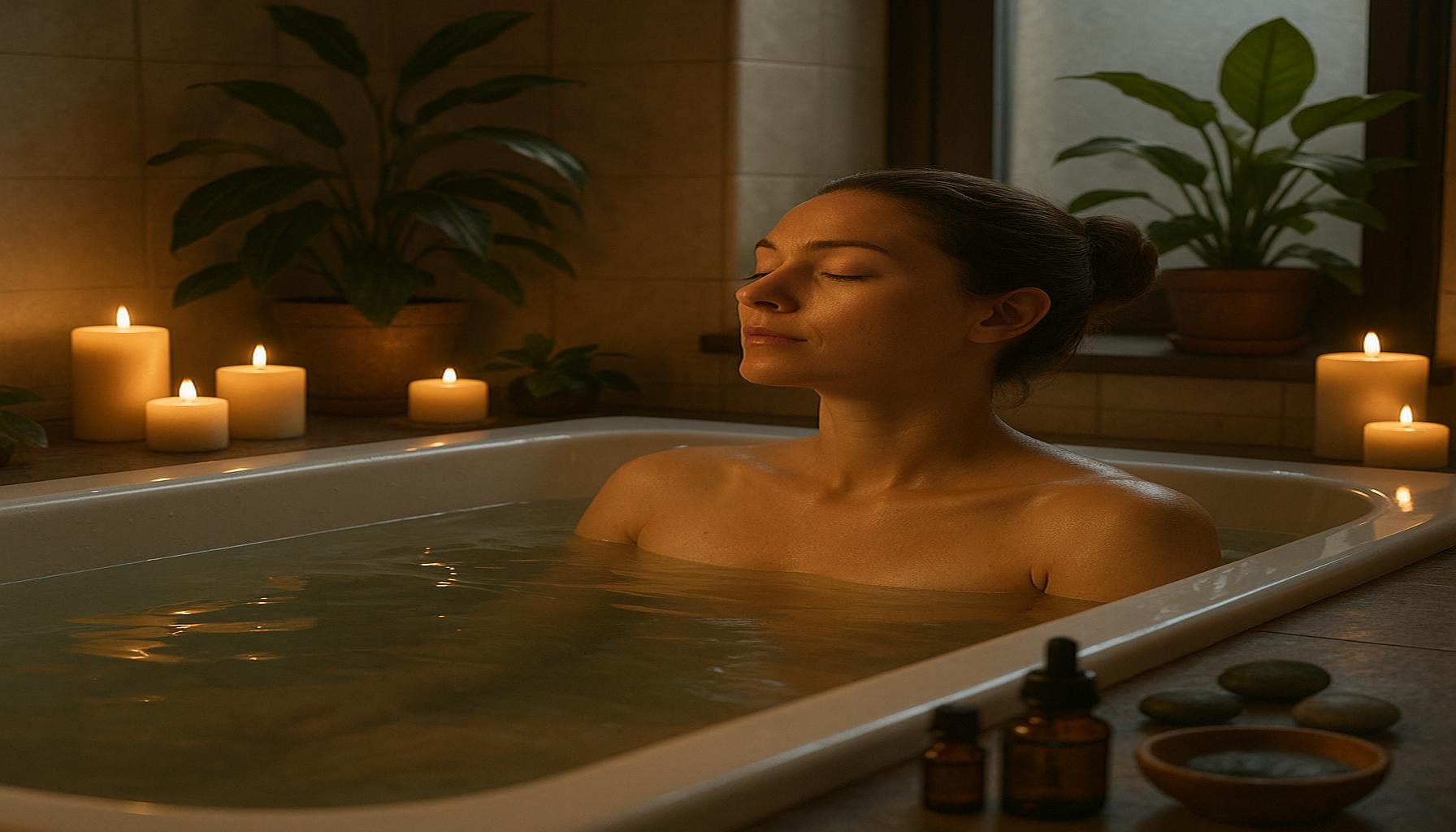
Transform Your Bathing Experience into a Mindful Retreat
In today’s fast-paced world, moments of tranquility can feel like a rarity, often overshadowed by our busy schedules and incessant responsibilities. The daily ritual of bathing, traditionally viewed as a mundane task, can be reimagined into a serene retreat for the mind and body. By integrating meditation with your bathing routine, you can create a sanctuary of peace that not only soothes the body but also rejuvenates the spirit.
Combining mindfulness with self-care is an innovative approach that can bring a multitude of benefits. Here’s a deeper look into some of the key advantages:
- Stress Reduction: Engaging in a warm bath can significantly lower cortisol levels, the hormone associated with stress. The warmth of the water helps relax tense muscles, allowing for a more profound state of relaxation. Studies have shown that simple immersion in warm water can substantially improve mood, making bath time an excellent opportunity to unwind.
- Enhanced Focus: Practicing mindfulness while bathing sharpens concentration. Techniques such as focusing on your breath or observing the sensations of water against your skin can root you in the present moment, enhancing mental clarity and reducing feelings of anxiety.
- Physical Benefits: The benefits are not just emotional; warm water promotes improved circulation, alleviates muscle soreness, and can even support skin health. When paired with meditation, the calming effects of mindfulness can amplify these physical advantages, providing an all-around restorative experience.
To fully embrace mindfulness techniques during your bath, consider making simple yet effective adjustments to your routine. Here are some enlightening strategies to create a more mindful environment:
- Before stepping into the bath, set an intention. Reflect on what you hope to achieve during this time, whether it’s relaxation, clarity, or simply a moment to breathe.
- Incorporate soothing elements into your bathing space. Lighting candles imbues the room with a warm glow and gentle aroma. Soothing music or nature sounds can further enhance this peaceful atmosphere, making your bath feel like a personal spa session.
- Practice deep-breathing exercises throughout your bath. As you experience each splash of water, take deep, intentional breaths. This not only calms the mind but also allows you to connect with the sensations of warmth and relaxation more deeply.
Are you ready to transform your bathing routine into a profound experience? By exploring these enriching methods of self-care, you can create a ritual that revitalizes both your mind and body. Discover how small, mindful adjustments in your bathing practice can lead to significant improvements in your overall well-being, inviting tranquility and stress relief into your daily life.
DISCOVER: Click here to unwind with meditation techniques
Creating a Mindful Atmosphere: Setting the Scene for Your Bath
Before submerging yourself in the warm embrace of the bath, consider the ambiance you will create. The surroundings play a critical role in fostering a mindful bathing experience. Here are several techniques to prepare your personal sanctuary:
- Declutter the Space: Clear any clutter around the bathtub area. A clean environment can lead to a clearer mind. A tidy space naturally invites relaxation and prepares you to disconnect from the chaos of daily life.
- Optimal Temperature: Ensure that the water is at a comfortable temperature—warm but not too hot. This balance enhances relaxation and encourages your body to open up to the soothing experience. You may want to use a thermometer to achieve the perfect heat that promotes comfort without causing discomfort.
- Aromatherapy: Incorporating calming scents can significantly enhance your bathing experience. Use essential oils such as lavender or eucalyptus, known for their restorative properties. You can add these oils to the water or use a diffuser nearby to fill the room with their soothing fragrances, guiding you deeper into a state of calm.
- Soundscapes: Consider creating a calming soundtrack for your bath. Soft instrumental music or nature sounds can help transport you away from everyday stresses. Research suggests that listening to calming sounds can lead to a decrease in anxiety levels and help to center your thoughts.
Once your bathing space is prepared, transitioning into the mindfulness aspect is seamless. The practice of mindful bathing engages your senses, allowing you to deliberately focus on the present moment. This is where the integration of meditation comes into play. Start by taking a moment to observe your surroundings without judgment—notice the colors, textures, and scents that envelop you.
As you lower yourself into the bath, focus on the initial sensation of the water impacting your skin. Allow those first moments of contact to anchor you in your body. This practice of being aware of physical sensations serves as the foundation for further mindfulness techniques:
- Body Scan: As you lie in the water, begin a gentle body scan from your toes to your head. Pay attention to any tension or discomfort, and consciously release it with each exhale, inviting relaxation into those areas.
- Mindful Breathing: Start by taking a few deep breaths, inhaling through your nose and exhaling through your mouth. With every breath, visualize releasing stress and negativity. This connection between breath and presence cultivates clarity and mental focus.
- Gratitude Reflection: While soaking, take a moment to reflect on positive aspects of your life. Consider jotting down these thoughts in a journal after your bath, which can help reinforce feelings of gratitude and contentment.
These initial steps set the foundation for integrating meditation into your bathing ritual. By mindfully preparing your space and engaging in meditative practices, you cultivate a nurturing environment that transforms bath time into a profound, stress-reduction tool. Each bath becomes not just a physical cleanse but also a mental respite—a chance to restore balance and harmony in your everyday life.
| Mindfulness Technique | Advantages |
|---|---|
| Focused Breathing | Encourages deep relaxation and enhances the ability to let go of stress. |
| Sensory Engagement | Promotes heightened awareness of touch, scent, and sound, leading to a more fulfilling bathing experience. |
| Guided Visualization | Facilitates mental clarity by using imagery to escape stressors and enhance peace of mind. |
| Affirmations | Fosters a positive mindset and combats negative thoughts during relaxation periods. |
Integrating meditation into your bathing routine acts as a powerful catalyst for reducing stress and promoting emotional well-being. Each mindfulness technique mentioned above offers distinct advantages, transforming a simple bath into a sanctuary of self-care. For instance, practicing focused breathing not only allows you to connect with your breath, but it also helps dissociate from overwhelming daily pressures. This practice can lead to profound relaxation, enhancing both mental and physical health. Similarly, when you engage your senses, every aspect of your bathing experience transforms. The warmth of the water, the aroma of essential oils, and the soothing background sounds create a full-bodied meditative experience.Guided visualization is another effective technique. It allows the mind to create an image of tranquility, leading to a greater sense of calmness and the potential to resolve internal conflicts. Affirmations during your bathing ritual can also uplift your mood, providing encouragement and reinforcing a healthy mental outlook. This holistic approach opens the door to a personalized path toward mindfulness that not only enriches your bath but also positively influences your life outside of it.
DISCOVER MORE: Click here to enhance your mental clarity
Mindful Techniques to Deepen Your Bathing Experience
Once you have established a peaceful atmosphere and initiated your mindful bathing process, it’s time to explore deeper techniques to enhance your experience further. Integrating meditation into your bathing routine can transform a simple soak into a sanctuary for the mind, body, and spirit. Here are several methods to deepen your mindfulness:
- Visualization Practices: As you relax in the warm water, try visualizing a serene landscape or a peaceful memory. Picture yourself standing on a sandy beach, with waves lap gently at your feet, or perhaps envision a tranquil forest with sunlight filtering through the trees. These calming images can help the mind let go of stress and foster a state of relaxed mindfulness.
- Affirmation Techniques: Use the time during your bath to silently repeat positive affirmations. Phrases such as “I am calm,” “I deserve peace,” or “I embrace serenity” can help reinforce a sense of tranquility. Mindfully combine these affirmations with your breathing—inhale deeply as you say the affirmation in your mind, and exhale any negativity.
- Mindful Observation: Engage your senses more profoundly through mindful observation. Focus not only on the sensations of the water but also on the sounds around you—perhaps the gentle splash of water or soft whispers of your own breath. Notice the feel of the bathwater enveloping you or the aroma of the essential oils, anchoring yourself in the tactile joy of the moment.
Each of these techniques can be employed alone or in conjunction with one another. For example, start with mindful breathing, then transition into visualization while remaining aware of the scent of the oils filling the air. The key lies in remaining present—immersing yourself in the multisensory experience of bathing not only allows for relaxation but also nurtures a mindful state that can be carried beyond this ritual.
Incorporating Gentle Movement
Physical movement, combined with water, can significantly complement mindfulness during bathing. Gentle stretches or slow movements can enhance your awareness of the body while engaging in self-care. Here are a few suggestions on how to incorporate movement:
- Water Yoga: If you’re comfortable, consider practicing simple water yoga poses. Stretch your limbs gently as you float or move in the water, focusing on breath synchronization and alignment. This practice of moving mindfully can enhance physical relaxation while fostering mental clarity.
- Gentle Massages: Use your hands to gently massage areas of tension or fatigue. Whether it’s your neck, shoulders, or feet, kneading these areas can advance the relaxation response and encourage the release of stress stored in your body.
Incorporating these gentle movements into your bathing routine can turn your time in the tub into a holistic experience that addresses both mental and physical health. Research has indicated that physical activities, even gentle ones, can markedly decrease stress and improve mood, making them an ideal addition to mindful bathing.
Maintaining the Mindfulness Beyond the Bath
The ultimate goal of integrating meditation into your bathing ritual is to cultivate a lasting sense of peace and mindfulness. To extend these positive effects beyond the bath, consider wrapping up your experience with a moment of reflection. Before you exit the water, take a few additional breaths, savoring the sensations of relaxation coursing through your body, and intentionally carry this stillness into your daily life. You can even establish rituals to reconnect with this mindful state throughout the day, such as a brief moment of silence during your commute or a few deep breaths when stress arises at work.
By thoughtfully incorporating these techniques into your bathing routine, you create a personalized oasis that offers rejuvenation on multiple levels. As a result, bath time evolves from a mere routine into a sacred practice that fosters a deep connection between the body and mind, ultimately leading to a more serene and balanced life.
DISCOVER: Click here to transform your bath into a relaxation sanctuary</
Conclusion: Embracing Mindfulness in Your Bathing Ritual
Integrating meditation into your bathing routine offers a unique pathway to foster mindfulness and combat everyday stress. By creating a peaceful atmosphere and employing techniques such as visualization, affirmations, and gentle movement, you can transform your bath into a personal sanctuary. This holistic approach not only supports relaxation but also deepens your connection with both mind and body, establishing a practice that nurtures your well-being.
The benefits of such mindful practices extend far beyond the confines of your tub. By cultivating a state of tranquility during bathing, you may find it easier to maintain a calm demeanor in the face of daily challenges. Remember to carry this sense of serenity with you; even a few mindful breaths or moments of reflection throughout your day can help reinforce the calming effects you’ve achieved during your bathing ritual. In doing so, you actively create a ripple effect that permeates your entire lifestyle.
As you embark on this journey of mindful bathing, consider it not merely as an indulgence, but as a vital component of your self-care routine. With ongoing practice, your bath time can evolve into a transformative experience, bringing you closer to a life marked by increased awareness and serenity. Explore these techniques, make them your own, and watch as they pave the way toward a more balanced and fulfilling existence.
Related posts:
Mindfulness and Aromatherapy: How Natural Scents Can Enrich Your Bath Meditation
How Shower Meditation Can Increase Your Mental Clarity
Bath Meditation Unlock Stress Reduction and Boost Well-Being
The Art of Breathing: Mindfulness Practices to Incorporate During Bathing
The Art of Letting Go: Using Bath Meditation to Release Negative Thoughts
Mindfulness Ritual: Incorporating Aromatherapy into Bath Meditation

Linda Carter is a writer and meditation guide specializing in mindfulness practices and inner peace. With extensive experience helping individuals cultivate mental clarity and emotional balance, Linda shares her wisdom on our platform. Her goal is to empower readers with practical techniques and mindful strategies to reduce stress, enhance self-awareness, and achieve lasting tranquility in daily life.