Enhance Meditation Breathing Techniques in Your Bath Routine
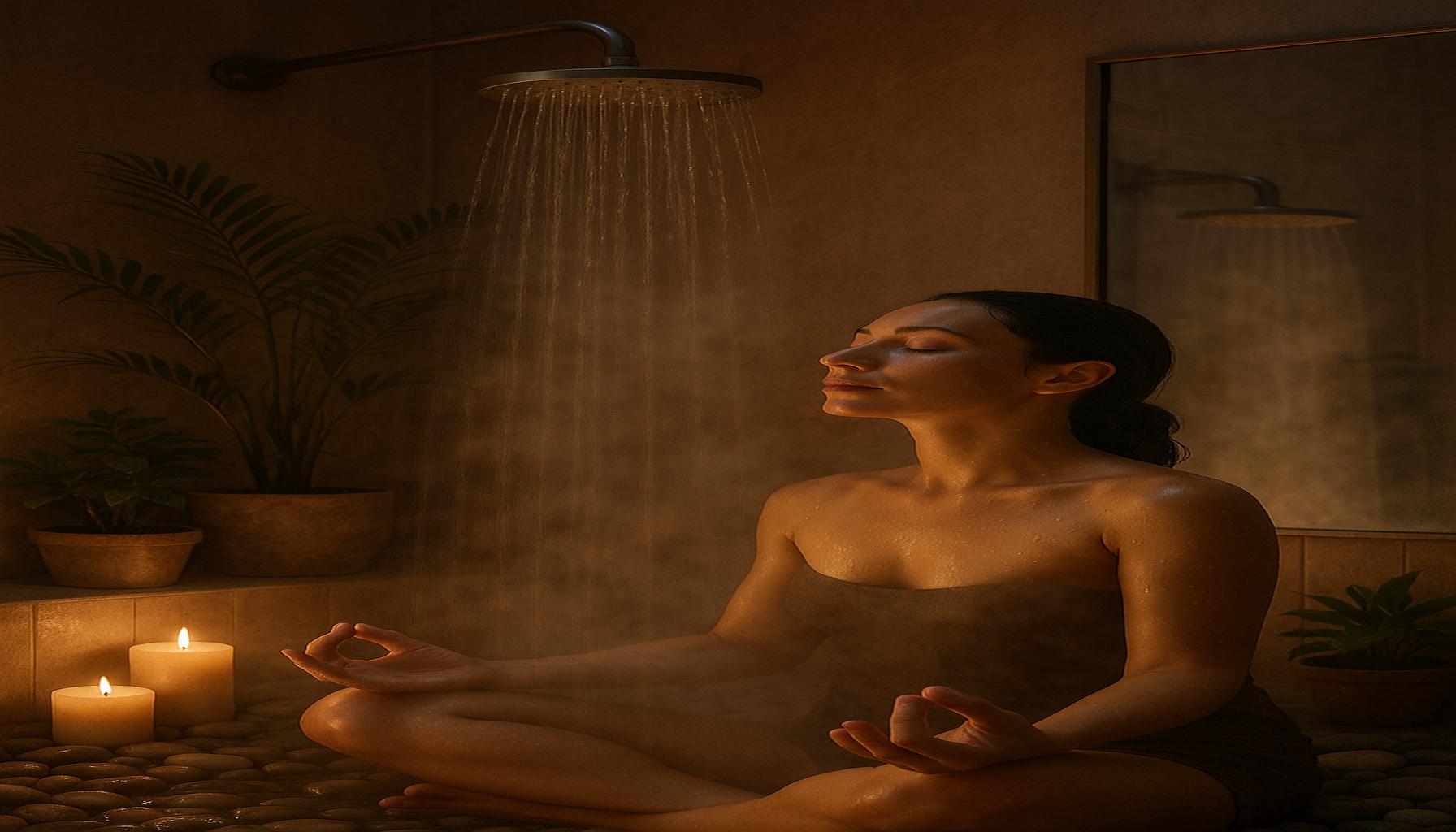
In today’s fast-paced world, finding moments of tranquility can be a challenge. Shower meditation offers a unique opportunity to combine the soothing properties of water with mindfulness practices, creating a sanctuary within your own home. By incorporating specific breathing techniques during your bathing routine, you can elevate your meditation practice to new heights.
The warm cascade of water, paired with intentional breathing, can help reduce stress and enhance mental clarity. This practice not only promotes relaxation but also encourages a deeper connection with oneself, allowing for reflection and healing. Here, we will explore the Top 5 breathing techniques to integrate seamlessly into your bath routine.
- Diaphragmatic Breathing
- Box Breathing
- 4-7-8 Breathing
- Alternate Nostril Breathing
- Mindful Breathing
Each technique offers its unique benefits, making shower meditation a transformative experience. Let’s dive deeper into these methods and discover how you can enrich your bathing ritual.
Top 5 Techniques of Breathing During the Shower: Enhancing the Meditation Experience
Have you ever considered that your daily shower could double as a sanctuary for meditation? While most people think of showers as purely functional, incorporating breathing techniques during this time can transform your routine into a profound mindfulness practice. Below are the top five techniques that not only elevate your experience of meditation in the shower but can also promote relaxation, clarity, and well-being.
5. The 4-7-8 Breathing Technique
This technique, popularized by Dr. Andrew Weil, is simple yet effective for rest and relaxation. In the midst of your shower, you can easily integrate the 4-7-8 method. Here’s how it works:
- Inhale through your nose for a count of 4 seconds.
- Hold your breath for 7 seconds.
- Exhale through your mouth for 8 seconds, making a whooshing sound.
The 4-7-8 technique is based on ancient yogic teachings that center around breath control. When practiced regularly, it can help decrease stress, regulate the body’s stress response, and improve sleep quality. During your shower, the calming sound of the water becomes an excellent backdrop to soften your mind into this rhythm. Integrating the steam and heat may also help soothe any tension in muscles, allowing you to relax further.
4. Box Breathing
Box breathing, also known as four-square breathing, is another potent method to incorporate into your shower routine. It involves four equal phases of inhalation, breath-holding, exhalation, and holding your breath again. This technique is favored not just by those seeking to enhance their meditation but also by athletes and military personnel. Here’s how to do it:
- Inhale through your nose for a count of 4 seconds.
- Hold your breath for a count of 4 seconds.
- Exhale through your mouth for a count of 4 seconds.
- Hold your breath again for a count of 4 seconds.
Box breathing encourages balance and harmony in your body. It’s known for enhancing concentration and reducing stress, crucial benefits if taken into your daily life. Inside the shower, as the rhythm of the water cascades around you, visualize your stress falling away with every breath cycle. This mental imagery, combined with the structured patterns of breathing, enhances your capacity to visualize calm and clarity in the midst of your bustling day.
3. Diaphragmatic Breathing
Also known as abdominal or belly breathing, this technique focuses on engaging the diaphragm fully. The essence of diaphragmatic breathing is to breathe deep, allowing your stomach to rise and fall rather than your chest. The steps are simple to follow while in the shower:
- Place a hand on your stomach and another on your chest.
- Inhale deeply through your nose, ensuring your stomach rises.
- Exhale slowly through your mouth while allowing your stomach to fall.
Diaphragmatic breathing can be a gentle but powerful tool for those suffering from anxiety. In the soothing envelope of warm water, this method aids in easing tension and promoting better control of your breath, further establishing an internal rhythm that echoes relaxation and peace. Furthermore, focusing on your abdomen’s gentle rise and fall shifts your attention inward, helping to drown out the mind’s daily noise.
2. Alternate Nostril Breathing (Nadi Shodhana)
This ancient yogic technique is well-regarded for balancing energy and calming the mind. Although it may seem challenging at first, integrating it into your shower could create a unique meditative environment. Here’s how:
- Close your right nostril with your thumb.
- Inhale deeply through the left nostril.
- Close the left nostril with your ring finger, and release your thumb from the right nostril.
- Exhale through the right nostril.
- Inhale through the right nostril, and repeat the process.
This breathing method, derived from pranayama techniques in yoga, strongly impacts both physical and mental well-being. It promotes concentration and mental clarity while opening up energy channels, especially during moments of stress. Practicing it in the steamy cocoon of the shower can significantly aid in synchronizing your mind’s hemispheres, offering a balanced perspective as you step out ready to face the world.
1. Mindful Breathing
Finally, the pinnacle of shower meditation techniques is mindful breathing. This practice asks you to focus on the present moment of your shower—the sound of water, the warmth on your skin, and your breath. It helps ground you, maximizing the calming effects of your shower. To practice mindful breathing:
- Take a moment to settle into the shower.
- Pay attention to each breath without trying to control it.
- Notice the sensations created by the water, such as its temperature and pressure.
- Observe any thoughts that arise, acknowledging them and gently letting them drift away.
Mindful breathing in the shower deepens your meditation practice by anchoring you in the present moment. This isn’t just about reducing stress or anxiety, but about fostering a sustainable state of presence. The shower acts as a sanctuary—a brief pause where you fully engage with your senses and breathe without distraction. It can be a meditative ritual that enhances your awareness and brings tranquility to the forefront of your daily life.
Incorporating these breathing techniques into your shower routine can transform an ordinary daily task into an opportunity for meditation and mindfulness, ultimately enhancing your well-being in profound ways. Next time you step into the shower, take a moment to breathe deeply, inviting peace and relaxation into your day.
</> <table style=”width: 100%; border-collapse: collapse; margin: 20px 0; font-size: 16px; text-align: left;”>
TechniquesKey FeaturesAdvantagesDisadvantagesWho BenefitsDiaphragmatic BreathingEngages the diaphragm fully, promoting deeper breaths.Reduces stress by activating the body’s relaxation response, leading to improved mental clarity.May require practice to master; beginners might find it uncomfortable initially.Individuals looking to lower anxiety or enhance focus, especially during meditation.Box BreathingInvolves inhaling, holding, exhaling, and holding again, each for four counts.Promotes emotional stability and can be practiced anywhere, making it versatile.Might feel unnatural for some; initial practice may induce lightheadedness.People facing high-pressure situations, such as athletes or professionals in fast-paced environments.Alternate Nostril BreathingConsists of inhaling through one nostril while closing the other, then switching.Balances both hemispheres of the brain, promoting mental and emotional equilibrium.May not appeal to those uncomfortable with breathing techniques; requires good coordination.Practitioners of yoga or those interested in holistic health treatments.4-7-8 BreathingInvolves inhaling for 4 seconds, holding for 7, and exhaling for 8.Promotes relaxation and can be effective for sleep aid.May not work for everyone; some may find the hold duration challenging.Individuals struggling with insomnia or those needing help winding down.
Incorporating these breathing techniques into your bathing experience not only elevates the meditative quality but also enhances overall well-being. By creating a harmonious atmosphere, you can unlock deeper levels of relaxation and mindfulness during your moments in the water. Each technique offers unique benefits, making it essential to explore which resonates best with your personal practice. As you begin to integrate these practices, you may uncover new dimensions to your bathing ritual, transforming it from a mundane activity into a profound journey of self-discovery.
Frequently Asked Questions about Breathing Techniques During Bathing
What are the benefits of incorporating breathing techniques during a bath?
Incorporating breathing techniques during a bath can significantly enhance the relaxation experience. Not only does it promote a deeper sense of calm, but it also aids in reducing stress levels. Controlled breathing can help activate the parasympathetic nervous system, which is responsible for the body’s rest and digest functions, thereby fostering a meditative state.
How can breathing techniques be effectively integrated into my bathing routine?
To effectively integrate breathing techniques, begin by setting the ambiance—dim the lights, play soft music, or introduce calming scents like lavender. Start with deep diaphragmatic breaths, inhaling slowly through the nose, holding for a moment, and then exhaling through the mouth, concentrating on each breath. Repeating this cycle can help quiet the mind and create a serene environment.
Are there specific breathing exercises recommended for meditation during a bath?
Yes, several breathing exercises are particularly effective. One is the 4-7-8 technique, where you inhale for four seconds, hold for seven seconds, and exhale for eight seconds. Another is the ‘box breathing’ method, which involves inhaling for a count of four, holding for four, exhaling for four, and holding again for four. These exercises can help synchronize the breath with the body’s rhythms, deepening your meditative state.
Can anyone practice these breathing techniques while bathing?
Most people can benefit from these techniques; however, it is essential to consider individual health conditions. Those with respiratory issues or certain medical conditions should consult with a healthcare professional before trying new breathing exercises. Adapting techniques to personal comfort and health needs is crucial for a safe and beneficial experience.
How often should one practice breathing techniques during bathing for optimal results?
Consistency is key. Incorporating breathing exercises into your bathing routine several times a week can yield significant benefits over time. Like other forms of meditation, regular practice helps condition the mind and body to relax more effectively, making it an integral part of a holistic wellness regimen.
Conclusion
Incorporating breathing techniques into your shower meditation can significantly elevate the overall experience, offering both mental and physical benefits. The article highlighted five key techniques, each bringing its own unique contribution to enhancing the state of mindfulness. From focusing on the rhythm of your breath while feeling the water cascade over you to engaging in deep diaphragmatic breathing, these approaches can transform an everyday activity into a powerful meditative practice.
Firstly, the use of controlled breathing patterns facilitates a heightened state of relaxation, allowing individuals to disconnect from everyday stressors. This is crucial in today’s fast-paced world, where stress and anxiety often dominate. Secondly, such techniques promote enhanced focus and concentration, creating a more intense and rewarding meditative session. The combination of breath awareness with the sensory experience of a shower provides a unique dual-focus environment that bolsters mental clarity.
Moreover, by implementing these breathing techniques, individuals may find an improvement in lung capacity and overall respiratory health. This benefit underscores the holistic advantages of shower meditation, bridging the gap between mind and body wellness. Additionally, as one becomes more attuned to breath during routine activities, this mindfulness can extend beyond the shower, integrating into daily life.
In conclusion, the integration of breathing techniques into shower meditation is not merely an exercise in relaxation but a gateway to holistic well-being. By deepening the connection between breath and awareness, individuals might discover new dimensions of their inner selves. The topic highlights a transformative potential, inviting readers to further explore and tailor these techniques to their personal routines. As we continue to seek balance and serenity in our lives, embracing such innovative practices can be a step toward lasting tranquility.
Related posts:
Incorporating Mantras and Affirmations in Bath Meditation for Stress Relief
The Connection between Stress and Meditation in the Bath: How Water Can Calm the Mind
Using Water as a Tool for Emotional Release During Bath Meditation
Breathing Techniques to Practice During Meditation in the Bath
The Benefits of Aromatherapy in Bath Meditation for Stress Relief
Creating a Meditation Ritual in the Bath: Steps for a Moment of Peace

Linda Carter is a writer and meditation guide specializing in mindfulness practices and inner peace. With extensive experience helping individuals cultivate mental clarity and emotional balance, Linda shares her wisdom on our platform. Her goal is to empower readers with practical techniques and mindful strategies to reduce stress, enhance self-awareness, and achieve lasting tranquility in daily life.