Energy Flow: How Water Enhances the Practice of Meditation in the Bath
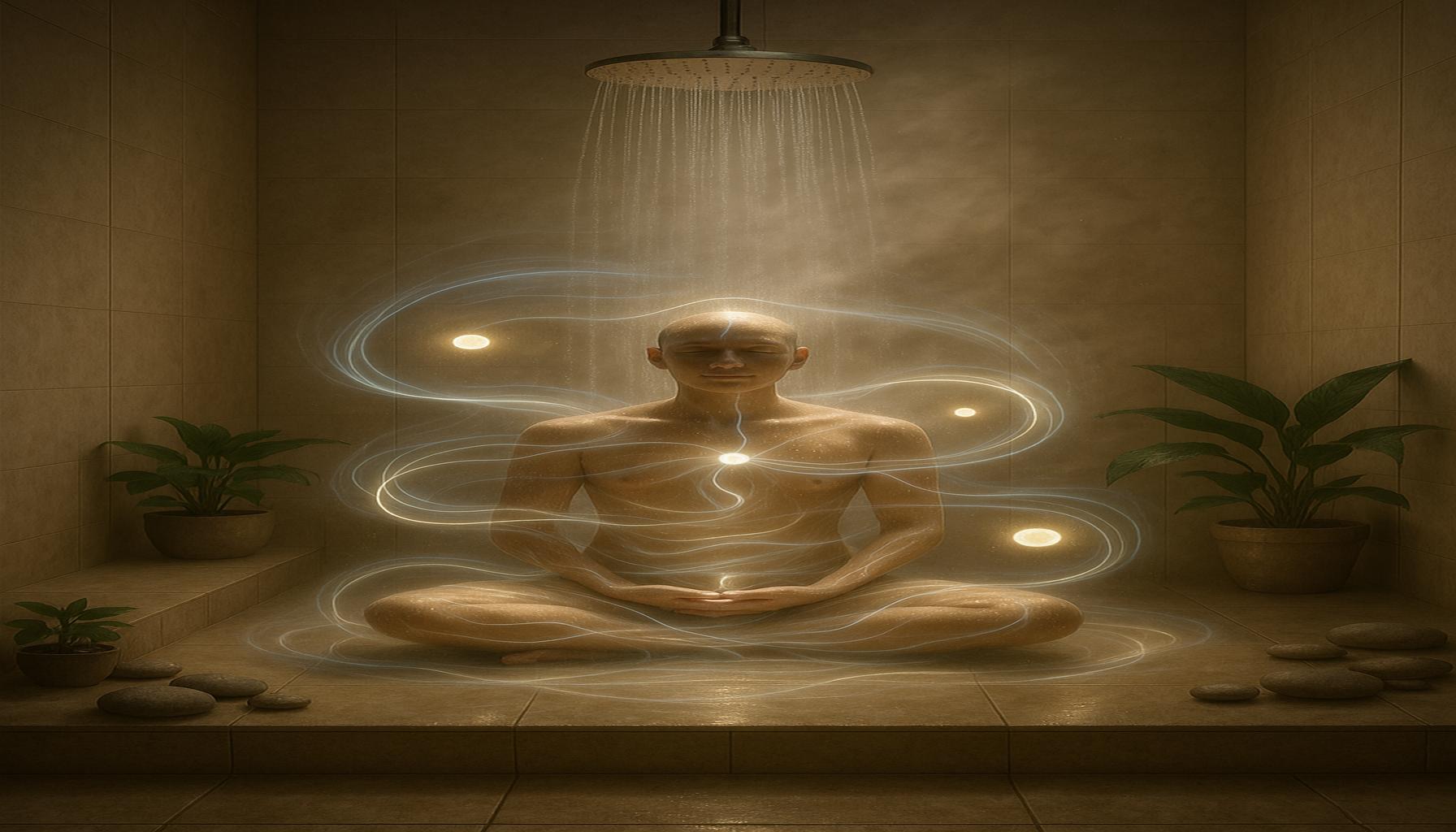
The Transformative Experience of Water in Meditation
Imagine sinking into a warm bath, where the rhythmic sound of water creates a cocoon of tranquility. This environment can significantly enhance your mindfulness practice, unlocking profound energy flows that tap into your mental and spiritual well-being. As water envelops you, it transforms from just a physical element into a powerful catalyst for introspection and peace.
Understanding how water enhances meditation involves several fascinating facets:
- Sound: The gentle splashes and trickles of water create a soothing auditory backdrop that can help quiet the chaotic thoughts in your mind. Sounds of nature, such as trickling streams or ocean waves, have been shown to affect brain waves, promoting a calm state, ideal for meditation.
- Temperature: Immersing yourself in warm water helps to relax your muscles and joints, allowing for deeper breathing and improved focus. Research suggests that body temperature plays a crucial role in regulating physical comfort, which in turn supports a tranquil state of mind.
- Aromatherapy: Adding essential oils like lavender or eucalyptus to your bath can synergize with meditation, engaging the senses and promoting relaxation. The inhalation of these scents can stimulate the olfactory system, further enhancing your mental clarity and emotional calm.
Furthermore, water is not merely a medium for relaxation; it also symbolizes purification and renewal. The act of bathing invites you to shed stressors and reconnect with your inner self on a deeper plane. This connection between mind and body can facilitate a meditative state where insights and creative thoughts flow more freely. Scientists and spiritual leaders alike recognize the significance of natural elements, suggesting that the presence of water can enhance energy flow and deepen meditative practices.
As you delve into this enriching journey, consider how water can facilitate your sacred practice of meditation. A bath is not just a place for cleansing but a sanctuary for growth and self-discovery. Many people report that their most profound realizations occur while in water, emerging with fresh perspectives and renewed clarity.
Prepare to explore new dimensions of meditation that water can reveal, and let its calming properties guide you to a place of serenity and introspection. Whether it’s a simple bath at home or a natural hot spring retreat, the experience with water can be both transformative and elevating. Engaging with this element allows you to connect with yourself and the world around you in a refreshing and compelling manner.
DIVE DEEPER: Click here to discover the calming power of water and meditation</
The Synergistic Power of Water and Mindfulness
Water’s ability to enhance meditation is rooted in its elemental nature, balancing both the physical and emotional aspects of our being. The practice of meditation in the bath allows individuals to delve deeper into their thoughts and feelings while being cradled by warm, soothing water. This unique combination establishes a supportive environment for mindfulness, aligning perfectly with the principles of energy flow.
One key aspect of how water augments meditation lies in its ability to facilitate a state of deep relaxation. The body’s natural response to warmth includes muscle relaxation and an easing of tension, providing a perfect foundation for deeper meditative states. Research indicates that heat application can significantly reduce cortisol levels, the stress hormone, promoting an atmosphere of peace and quietude. This sets the stage for individuals to let go of distractions and embrace a more profound connection with themselves.
Moreover, the interaction between water and the body creates a sensation of weightlessness. This not only allows for physical relaxation but also encourages a mental release of burdens. When you find yourself gently floating in warm water, you may experience diminished feelings of gravity and heaviness, both physically and emotionally. This liberation can foster a unique energy flow, enabling a more profound exploration of self-awareness and consciousness during meditation.
The integration of breathwork into your bathing routine can further enhance the meditation experience. Practicing conscious breathing while submerged in water allows you to tune into your body’s rhythms, led by the elemental nature of water. This intentional breathing can help synchronize your heartbeat with the gentle lapping of the waves or the subtle drip of water. The following components can amplify this integration:
- Mindful Breathing: Focus on your inhalation and exhalation, allowing each breath to correspond with the flow of water. Imagining your breath as waves can create a serene mental image.
- Body Scan: As you breathe deeply, mentally scan your body for tension. With each exhalation, visualize the thermal comfort of the water dissolving stress and discomfort.
- Visualization: Imagine you are a part of the water’s journey, flowing like a river toward a tranquil sea, this can help in establishing an even deeper meditative state.
Additionally, the visual and textural nature of water can also be an engaging focal point in meditation. The shimmering trails of droplets or the gentle ripples on the water’s surface invite your gaze, rooting you in the present moment and enhancing your ability to concentrate. This visual element encourages a break from conventional distractions, aligning your mental focus with your meditative objectives.
By evolving your understanding of how energy flow works in conjunction with water, you unlock a myriad of possibilities for personal growth and healing. Getting into the bath becomes a ritual that not only cleanses the physical body but also invites spiritual rejuvenation and clarity. The energy inherent in water acts as a guide toward self-discovery, offering a sanctuary for introspection and transformation.
Water has long been regarded as a source of life and rejuvenation, a fact that resonates deeply within the context of meditation. When integrated into **bath meditation**, water serves not only as a physical element but also as an energetic medium that fosters a deeper connection with oneself. The tranquil buoyancy provided by water creates a comforting sanctuary, allowing practitioners to distance themselves from daily stressors. This environment can significantly enhance one’s focus, paving the way for profound introspection.The therapeutic effects of water cannot be overlooked; it promotes relaxation by lowering cortisol levels and soothing tense muscles, thereby facilitating better energy flow throughout the body. This natural medium becomes a conduit for energy movement, helping to regulate the body’s energy systems. Whether it is through a hot bath that invigorates the senses or a cool soak that rejuvenates, the choice of water temperature can influence meditative states. Warm water tends to open the body’s energy pathways, making it easier to achieve deep relaxation and mindfulness, while cooler temperatures might stimulate alertness and clarity.Incorporating elements such as essential oils or bath salts derived from natural minerals can further amplify the effects of water in meditation. Ingredients like lavender and eucalyptus not only enhance the aromatic experience but also promote calmness and mental clarity. The synergy of water with these natural elements creates a holistic approach that magnifies both the meditative experience and therapeutic benefits.Moreover, a meditative practice in the bath can be tailored to individual needs, allowing practitioners to experiment with different techniques like visualization or breathing exercises that align with their personal journey. This highly customizable experience encourages exploration, leading individuals to discover unique ways to connect with their emotions and energies.As awareness of the intersection between energy flow and water becomes more profound, it propels practitioners toward embracing these practices not only as forms of relaxation but also as essential methods for emotional and spiritual nourishment. Indeed, the ritual of meditating in water reflects a timeless relationship between humans and this essential element, inviting each individual into a deeper communion with their inner self.
DISCOVER MORE: Click here to relieve daily stress
Unlocking Sensory Awareness Through Water
In addition to physical relaxation and weightlessness, the sensory aspects of water play a crucial role in enhancing meditation. The senses are powerful gateways to deeper awareness, and water can engage them in a multitude of ways. Whether it’s the sound of water splashing softly against the tub’s edges or the feel of warm water enveloping the skin, these elements deepen the meditative experience. This phenomenon, known as sensory immersion, can help in grounding practitioners in the present moment, allowing for a more profound exploration of their thoughts and feelings.
The auditory qualities of water can be particularly advantageous. The rhythmic sounds generated by water naturally synchronize with the body’s own rhythms and can induce a meditative trance. Research in sound therapy reveals that rhythmic patterns can alter brainwaves, promoting relaxation and facilitating deeper meditation. Listening to the gentle trickle of water can be likened to hearing nature’s song, which studies have shown to lower blood pressure and decrease anxiety levels. This can enhance energy flow by harmonizing the body and mind, ultimately leading to a more enriching meditative experience.
The tactile experience of warm water has a similar effect. Touch is one of the most immediate senses and interacts with the body in a highly personal way. When one enters the bath, the soothing sensation of water can evoke feelings of comfort and safety. This physiological reaction releases oxytocin, often referred to as the “bonding hormone,” which can create emotional warmth, further promoting a deep meditative state. Engaging with water during meditation could potentially create a sensory feedback loop wherein the experience deepens with each breath taken.
Furthermore, the incorporation of aromatherapy alongside water can elevate the meditative ambiance. Adding essential oils to bathing water, such as lavender or eucalyptus, not only transforms the bathing experience into a more aromatic sanctuary but also activates another layer of sensory engagement. Inhaling calming scents while immersed in warm water can enhance emotional well-being, heightening relaxation and facilitating introspection. Research on aromatherapy emphasizes its ability to improve mood and reduce stress, making it a powerful ally in meditation practices.
Additionally, engaging with water during meditation can encourage the practice of gratitude. The simple act of acknowledging the water, recognizing its purpose in our lives, and its role in the natural world can encourage a shift in perspective. This can allow for a sense of interconnectedness with the environment, reinforcing the energy flow that exists between oneself and nature. By cultivating gratitude, practitioners may unlock deeper layers of meaning in their meditation, fostering a cycle of positivity and emotional clarity.
Exploring the energy flow facilitated by water in the context of meditation reveals its multifaceted benefits. From sensory immersion to aromatherapy, every interaction with water has the potential to enrich the meditation experience. As one embraces the elements, they begin to tap into a reservoir of knowledge about themselves and their emotional landscape, creating a deeper understanding that can resonate well beyond the confines of the bath.
LEARN MORE: Click here to dive deeper
Conclusion: The Transformative Power of Water in Meditation
The exploration of energy flow through water during meditation in the bath reveals a profound and transformative practice that engages the mind, body, and spirit. By immersing ourselves in water, we harness not only its physical properties of relaxation and buoyancy but also its sensory components that elevate our meditative state. The auditory and tactile experiences of water create a sanctuary for introspection, allowing the mind to drift deeper into a tranquil awareness. This can lead to enhanced brainwave patterns that promote relaxation and emotional clarity.
Moreover, the addition of aromatherapy and the practice of gratitude solidify water’s significance as an ally in meditation. Essential oils, when integrated with warm water, engage the olfactory senses to heighten mood and facilitate deeper connections with oneself. Cultivating gratitude for this element reinforces the feeling of interconnectedness with the natural world, enhancing the overall experience of meditation. With these practices, individuals can uncover layers of understanding and emotional insights that resonate long after the bath has ended.
Ultimately, incorporating water into meditation not only enriches the sessions but also fosters a deeper appreciation for life’s simplest elements. As we navigate through the complexities of modern living, embracing the calming influence of water can provide a sanctuary for emotional and mental well-being, encouraging us to reconnect with our innermost selves. Therefore, the time spent in the bath transcends mere relaxation; it becomes a journey toward holistic self-awareness, making it an invaluable practice in the realm of meditation.
Related posts:
Breathing Techniques to Enhance the Feeling of Renewal During Shower Meditation
Transform Your Daily Bath into Meditation with Mindfulness Practice
Personal Experiences: Stories of Transformation Through Invigorating Meditation in the Shower
Bath as Sanctuary: Creating a Refreshing Meditation Space
The Power of Cold Water: How Cold Baths Enhance Meditation and Well-Being
The Art of Renewal: How Bath Meditation Can Refresh Your Mind

Linda Carter is a writer and meditation guide specializing in mindfulness practices and inner peace. With extensive experience helping individuals cultivate mental clarity and emotional balance, Linda shares her wisdom on our platform. Her goal is to empower readers with practical techniques and mindful strategies to reduce stress, enhance self-awareness, and achieve lasting tranquility in daily life.