Breathing and Visualization Techniques During Bathing to Alleviate Anxiety
The Therapeutic Benefits of Bathing for Mental Health
In today’s fast-paced world, anxiety affects millions of individuals across the United States. As daily pressures mount from work, family, and social demands, finding effective ways to alleviate stress becomes crucial for maintaining mental health. One accessible and soothing method is incorporating breathing and visualization techniques while bathing.
Bathing transcends mere physical cleanliness; it can also be a profound mental retreat. By fusing simple breathing exercises with visualization, you can transform your bath into a sanctuary of tranquility. Engaging in this holistic approach not only enhances personal relaxation but also fosters emotional well-being. Here are some compelling elements to consider:
- Mindful Breathing: This technique involves concentrating on your breath, allowing you to center your thoughts and reduce anxiety. For instance, you might try inhaling deeply through your nose for a count of four, holding your breath for four counts, and then exhaling slowly through your mouth for another four counts. This rhythmic practice calms the mind and allows tensions to dissipate.
- Visualization: Pairing your mindful breathing with imaginative landscapes can create a powerful mental escape. Picture a serene beach with gentle waves lapping the shore or a tranquil forest with birds chirping softly. This mental distraction can help shift your focus from stressors to soothing imagery, fostering a sense of peace.
- Temperature Effects: The warmth of the water plays a vital role in the relaxation process. Soaking in warm water increases blood circulation and relaxes muscles, enhancing the overall effects of breathing and visualization techniques. Adding essential oils, such as lavender or eucalyptus, can further amplify the soothing effects and engage your senses, making your bathing experience more immersive.
These methods not only promote relaxation but also encourage a profound connection with your surroundings. The sensory experiences of bathing—water’s gentle embrace, the aroma of bath salts, and the sound of running water—serve as a rich backdrop for your mental retreat. This combination can significantly sharpen mindfulness, enabling individuals to recognize their emotional states without judgment.
Research supports the benefits of bathing for mental health, suggesting that this simple act can help alleviate symptoms of anxiety and depression. For instance, a study published in the journal *Psychological Science* indicated that routine self-care practices, including bathing, can lead to improved mood and emotional resilience. By regularly incorporating these practical techniques into your bathing routine, you can ease anxiety and foster a peaceful state of mind.
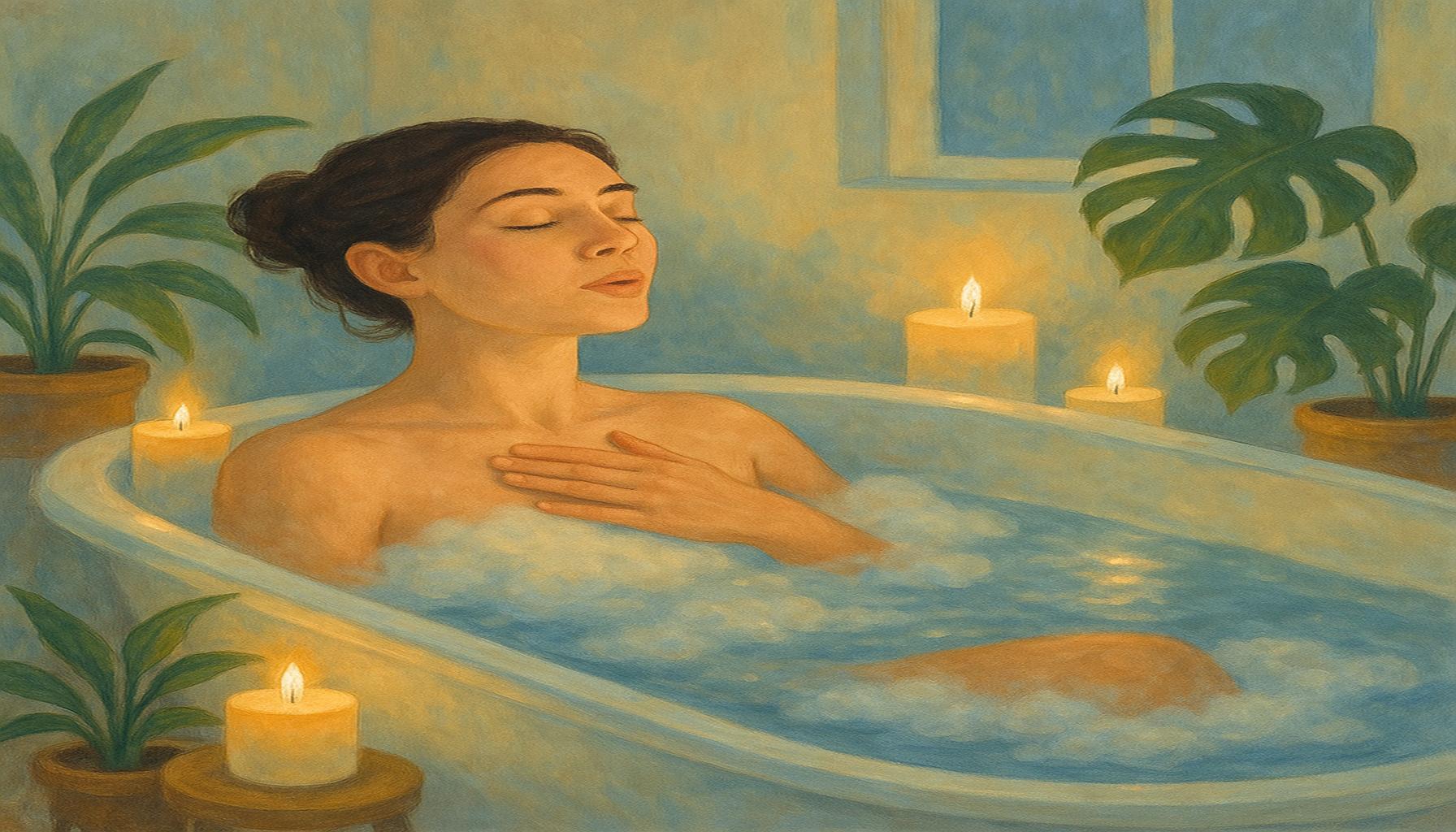
As you explore the soothing ritual of bathing combined with mindful practices, you might discover new perspectives on self-care that enrich your overall quality of life. So light some candles, fill your tub, and immerse yourself in an experience that nurtures not just the body, but the mind as well.

DIVE DEEPER: Click here to discover how water can soothe your soul</p
Integrating Breathing Techniques into Your Bathing Ritual
One of the most effective ways to transform your bathing experience into a sensory escape is by integrating breathing techniques. The rhythm of your breath has a profound impact on your physiological response to stress and anxiety. When you focus on your breathing during your bath, it acts as an anchor, helping you ground your thoughts amidst the whirlpool of daily pressures.
To begin, find a comfortable position in the tub that allows you to feel fully supported. Start by closing your eyes, and bring your attention to your breath. Follow these simple steps to cultivate a sense of calm:
- Begin with Deep Breaths: Take a deep breath in through your nose, allowing your abdomen to expand. Hold this breath for a count of four, feeling the fullness in your chest. Exhale slowly through your mouth, envisioning stress and tension flowing out of your body. Repeat this cycle for several minutes, noticing how your body gradually relaxes.
- Focus on Lengthening Exhalations: A powerful way to stimulate your body’s relaxation response is to lengthen your exhales. For every inhale you take for a count of four, try to exhale for a count of six or eight. This extended exhalation helps activate the parasympathetic nervous system, which is responsible for rest and digestion, ultimately lowering heart rates and easing anxiety.
- Incorporate Breathing Patterns: Explore various breathing patterns such as the 4-7-8 technique. Inhale for a count of four, hold the breath for seven counts, and exhale for eight counts. This structured approach can lead to greater feelings of relaxation and calmness.
As you engage in these breathing exercises, pay attention to how your body feels. Notice any areas where tension might reside—your shoulders, neck, or back. Acknowledging these sensations can enhance your body awareness and provide insight into how stress manifests physically.
The Power of Visualization During Your Bath
While deep breathing lays the groundwork for relaxation, pairing it with visualization techniques can enhance the experience tremendously. Visualization allows you to transport your mind to peaceful settings where anxiety cannot reach you. Imagine a serene landscape that resonates with you; this imaginative retreat can create a protective bubble against everyday stressors.
Consider these visualization strategies as you settle into your bath:
- Imagining Nature: Picture yourself on a relaxing beach. Visualize the gentle waves lapping the shore, feel the warmth of the sun on your skin, and listen to the distant call of seagulls. Such imagery can help you temporarily escape your environment and cultivate a deeper sense of peace.
- Creating Safe Havens: Imagine a place where you feel utterly safe and at ease—whether it’s a cozy cabin in the woods or a quiet garden filled with flowers. Invest time in detailing sights, sounds, and even scents associated with this safe haven, letting your mind wander freely.
- Using Guided Imagery: If you’re new to visualization, consider using guided meditations available on various apps or websites. These guided sessions can lead you through imagery exercises that might enhance your bathing experience and promote a deeper sense of relaxation.
By blending breathing and visualization techniques during your bath, you create a multi-sensory escape that proactively addresses anxiety. This nourishing practice not only calms the mind but also rejuvenates the spirit, providing an invaluable tool for self-care in our hectic lives.
| Technique | Benefits |
|---|---|
| Deep Breathing | Promotes relaxation and reduces stress levels. |
| Progressive Muscle Relaxation | Helps release physical tension and improves mental clarity. |
| Visualization Techniques | Encourages positive thinking and aids in managing anxiety. |
| Water Immersion | Enhances the calming effect and provides a comforting sensation. |
| Guided Meditation | Fosters mindfulness and centers thoughts away from anxiety triggers. |
In the quest to alleviate anxiety, incorporating breathing and visualization techniques during bathing can be tremendously beneficial. Engaging in deep breathing helps regulate the body’s stress response by enhancing oxygen flow and calming the nervous system. When combined with progressive muscle relaxation, practitioners find physical tension eases, granting immediate mental clarity that can set a positive tone for the day ahead.Many individuals have found that integrating visualization techniques while soaking in warm water can redirect their focus towards peaceful imagery, greatly diminishing feelings of anxiety. This makes each bathing session an opportunity to practice awareness and embrace positive mental states.The sensation of water immersion not only offers physical embrace but also fosters emotional release, a truly calming experience. Lastly, guided meditation during bathing encourages mindfulness, allowing practitioners to gently steer away from their stressors, providing a therapeutic escape into tranquility. These methods can empower everyone seeking relief from anxiety to explore a personal approach to wellness.
DISCOVER MORE: Click here to learn how meditation in the bath can reduce stress</
Enhancing Your Bathing Experience with Mindfulness
Incorporating mindfulness into your bathing ritual not only enriches your experience but also amplifies the effects of breathing and visualization techniques. Mindfulness, the art of being present in the moment without judgment, is a powerful tool in alleviating anxiety. When we bathe mindfully, each sensation becomes a focal point that can draw our attention away from worries and into a state of tranquility.
To practice mindfulness during your bath, consider the following strategies:
- Engage Your Senses: Allow yourself to fully immerse in the sensory experience of bathing. Notice the temperature of the water as it envelops your body. Is it warm, cool, or perhaps a perfect balance? Pay attention to the fragrance of any bath products you use, whether it’s lavender, eucalyptus, or citrus. Engaging your senses can help anchor your mind to the present moment, combating anxiety.
- Body Scan: Perform a gentle body scan while in the tub. Start with your toes and gradually work your way up to the crown of your head. As you breathe deeply, take inventory of any areas of tension. Acknowledge them without judgment, and use your breath to release any tightness, visualizing it dissolving into the warm water.
- Gratitude Reflection: Use this time for self-reflection. As you relax, think about three things you are grateful for that day. This practice can shift your perspective and encourage a positive mindset. Consider how these aspects improve your mental well-being, steering your thoughts away from sources of anxiety.
The Science Behind Breathing and Visualization Techniques
The benefits of breathing and visualization techniques during bathing have not only gained popularity but have also been supported by scientific research. Studies indicate that slow, deliberate breathing lowers cortisol levels, a hormone linked with stress. Furthermore, visualization has been shown to activate similar areas of the brain that light up when experiencing actual events, demonstrating its power in creating a mental sanctuary.
In a 2017 study published in the journal ‘Health Psychology’, participants who practiced guided imagery reported significantly lower anxiety levels compared to those who did not engage in visualization. This evidence underscores the importance of integrating these techniques into daily routines, especially during self-care practices like bathing.
Creating the Perfect Bathing Environment
Your bathing environment can significantly enhance the effectiveness of breathing and visualization techniques. Consider transforming your bathroom into a calming sanctuary. Here are some recommendations:
- Lighting: Soft, warm lighting can create a soothing ambiance. Dimmer lights or candles can cultivate a serene environment that supports relaxation.
- Sound: The use of calming music or nature sounds, such as ocean waves or gentle rain, can pair beautifully with your bathing experience. These auditory stimuli can complement your breathing and visualization techniques perfectly.
- Temperature Control: Ensure the temperature of your bathwater is comfortable. Too hot or too cold water can detract from the calming effects of your bath and your ability to relax.
By enhancing your environment, you foster a space where anxiety dissipates, allowing you to fully engage with the breathing and visualization techniques you have incorporated into your bathing ritual. With practice, these techniques can serve as a steadfast ally in your daily life, providing a safe haven from the pressures of modern living.
DISCOVER MORE: Click here for effective meditation techniques
Final Thoughts on Breathing and Visualization Techniques
In our fast-paced world, anxiety can often feel overwhelming, making it vital to find effective coping mechanisms. Utilizing breathing and visualization techniques during bathing offers a unique opportunity to reclaim a sense of peace and well-being. By combining mindful engagement with the sensory elements of your bath, you allow each moment to unfold, creating a mental escape that is both refreshing and restorative.
Research supports the efficacy of these practices, revealing that intentional breathing can significantly reduce cortisol levels and that visualization activates brain pathways associated with relaxation and mental clarity. When you transform your bathing experience into a personal oasis—complete with calming sounds, soft lighting, and fragrant scents—you create an environment conducive to deep relaxation and mindfulness.
Incorporating these techniques into your self-care routine not only fosters a sense of tranquility during your bathing rituals but also equips you with tools to manage anxiety in everyday situations. As you become more familiar with the subtle art of breathing and visualization, you may find that feelings of anxiety can be diminished even outside the bath. By embracing this holistic approach to mental wellness, you can cultivate a more balanced, resilient mindset that enhances your overall quality of life.
Whether you’re seeking a brief reprieve from daily stresses or looking to develop lifelong strategies for managing anxiety, remember that your bath can serve as a sanctuary. Embrace the power of breathing and visualization techniques, and let each bathing experience nurture your mind, body, and spirit.
Related posts:
The Importance of the Bath Environment for the Effectiveness of Anti-Stress Meditation
Creating a Relaxing Bath Environment: Aromatherapy and Sounds for Meditation
Exploring the Connection Between Heat and Relaxation: The Power of Hot Baths in Meditation Practice
The Benefits of Aromatherapy in Bath Meditation for Stress Relief
The Influence of Water Temperature on Anti-Stress Meditation Practice
Bath Ritual: Transforming Bathing into a Daily Meditation Practice
Linda Carter is a writer and meditation guide specializing in mindfulness practices and inner peace. With extensive experience helping individuals cultivate mental clarity and emotional balance, Linda shares her wisdom on our platform. Her goal is to empower readers with practical techniques and mindful strategies to reduce stress, enhance self-awareness, and achieve lasting tranquility in daily life.