The Importance of the Bath Environment for the Effectiveness of Anti-Stress Meditation
Creating the Perfect Space for Mindfulness
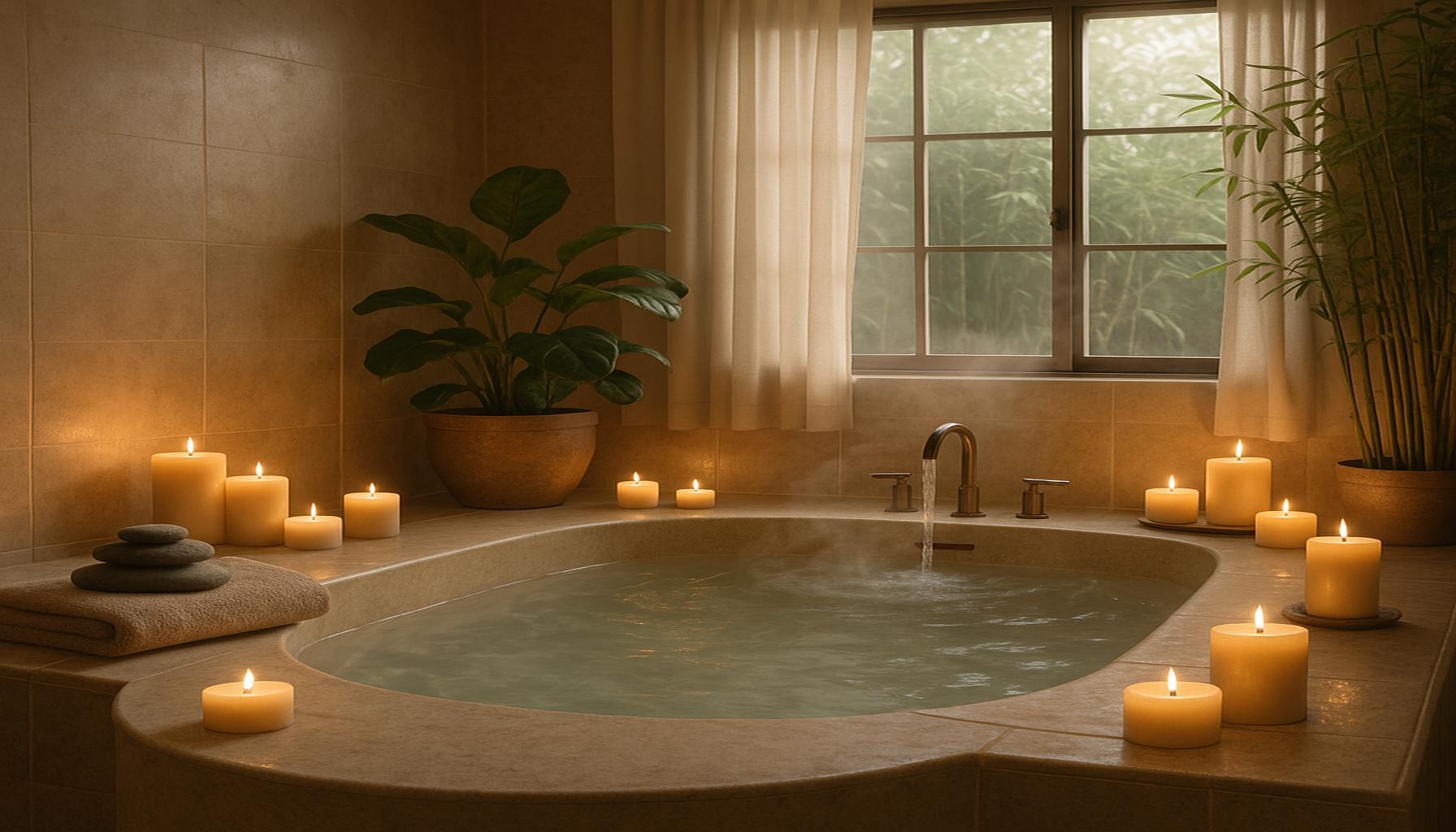
Have you ever noticed how the atmosphere in which you meditate can influence your overall experience? The bath environment serves as a unique sanctuary for anti-stress meditation, combining tranquility with sensory enjoyment. This article delves into how a carefully curated setting can enhance your meditation practice.
Consider the following elements of the bath environment that can affect your meditation:
- Ambiance: Soft lighting and soothing colors can immediately calm the mind. For example, using candles with warm tones, such as amber or soft white, can create a cozy atmosphere that encourages relaxation. Incorporating natural elements like plants or wooden accents can enhance the sense of serenity and connection to nature, which is vital for mindfulness practices.
- Sound: The gentle sound of water, whether from a running bath or a small water feature, sets a peaceful tone. Additionally, consider using calming music or nature sounds, such as birds chirping or ocean waves, to deepen your meditative experience. Many apps offer playlists specifically designed to aid in relaxation, helping you drown out distractions and enter a state of mindfulness more easily.
- Temperature: A warm bath can help relax tense muscles, making it easier to reach a meditative state. The ideal bathing temperature generally hovers around 100-102 degrees Fahrenheit. This warmth not only promotes physical relaxation but can also encourage mental tranquility by enveloping you in comfort. Investing in bath oils or Epsom salts infused with essential oils can further enhance this effect, as they can soothe both your body and mind.
The art of meditation is closely tied to the space around you. An ideal bath environment not only amplifies relaxation but also fosters a deeper connection to oneself. Consider incorporating features such as aromatherapy diffusers using scents like lavender or eucalyptus, which are known for their calming properties. Additionally, a meditation cushion or a soft towel can provide physical comfort, allowing you to maintain focus without being distracted by discomfort.
By understanding and optimizing the bath setting, one can unlock a more powerful anti-stress meditation experience. The critical relationship between your bath environment and the effectiveness of your meditation practices is paramount. Create a space where you feel safe and at ease, as this will significantly contribute to your ability to achieve mindfulness.
Stay with us as we explore practical tips to transform your bath into a haven for mindfulness. Whether you are a beginner or a seasoned practitioner, small changes to your bath environment can lead to profound enhancements in your meditation experience, guiding you towards a more peaceful and fulfilling mindset.
DIVE DEEPER: Click here to discover the benefits of shower meditation
Elements of a Sanctuary: Crafting Your Bath’s Influence
When it comes to anti-stress meditation, the nuances of your bath environment can significantly contribute to the overall effectiveness of your practice. Fostering a calming atmosphere is essential, as each element plays a vital role in shaping your experience. Here’s an exploration of critical aspects that can transform an ordinary bath into a meditative sanctuary.
Visual Appeal and Color Psychology
The visual aspects of your bath environment can profoundly affect your state of mind. The science of color psychology suggests that colors can elicit emotional responses, making it essential to choose hues that promote relaxation. Soft blues and greens, for instance, evoke feelings of serenity and calm, while warm neutrals like beige and cream can create an inviting ambiance. Additionally, incorporating artwork or images that resonate with tranquility can aid in centering your thoughts. Establishing a visually pleasing environment enables you to release stress and enter a meditative mindset more readily.
Scent and Its Soothing Effects
Aromatherapy has long been celebrated for its ability to enhance the meditation experience. Scents play a crucial role in the bath environment, as they can trigger memories and emotions, influencing your mental state. Consider employing the following aromas:
- Lavender: Known for its calming properties, lavender can help reduce anxiety and promote a restful mindset.
- Chamomile: Often associated with tranquility, chamomile can soothe the mind and encourage relaxation.
- Frankincense: This deep, resinous scent aids in grounding and enhances focus during meditation.
- Ylang-Ylang: Known to alleviate stress and create feelings of joy, this exotic fragrance can uplift the spirit.
Using an essential oil diffuser or scented candles during your bathing ritual can transform your bathroom into a fragrant escape, steering your mind away from distractions and towards mindfulness. The olfactory stimulation harnessed from these scents aids in deepening your meditative state by creating associations with relaxation and tranquility.
Supplement the Experience with Comfort
Comfort is fundamental to achieving a successful meditation. Your bath environment should be tailored to ensure physical ease. The choice of materials for towels, cushions, or bathmats can make all the difference. Soft, plush fabrics invite relaxation and allow you to focus inwardly. Moreover, consider adding heat elements such as heated blankets or warming pads to maintain a comfortable temperature, which can enhance your sense of security and promote deeper meditation.
In summary, your bath environment serves as an integral part of your anti-stress meditation practice. By paying close attention to visual aesthetics, scent selection, and physical comfort, you can significantly elevate your meditation experience. As you delve into this transformative practice, remember to curate your surroundings thoughtfully, as each element has the potential to align your mind and body towards a more peaceful existence.
| Environmental Factors | Effects on Meditation |
|---|---|
| Lighting | Soft lighting enhances relaxation, creating a serene atmosphere conducive to deep meditation. |
| Sound | Natural sounds such as water flowing or birds chirping can significantly improve concentration and help in stress reduction. |
| Aromatherapy | Essential oils can elevate mood and enhance the overall meditative experience, leading to a more effective anti-stress session. |
| Temperature | Comfortable warmth promotes relaxation in muscles and mind, facilitating a deeper meditative state. |
The bath environment serves not only as a physical space but also as a conduit for enhancing the meditative experience. When one integrates specific elements such as lighting, sound, aromatherapy, and temperature, the entire ambiance transforms into a nurturing zone for anti-stress meditation. Furthermore, the act of immersing oneself in a warm bath allows for a release of physical tension, which is particularly beneficial for those who struggle with anxiety or stress. Implementing these sensory factors can lead to a profound state of relaxation, paving the way for a more effective meditation session. Research indicates that individuals meditating in optimized environments are more likely to experience significant reductions in stress levels compared to those in less accommodating settings. Thus, investing time and effort into creating the ideal bath environment not only enhances the physical experience but also amplifies the psychological benefits of meditation.
DISCOVER MORE: Click here to learn how water can soothe your mind
The Role of Sound and Silence in Creating a Meditative Space
Sound plays a critical role in shaping your bath environment and, subsequently, your anti-stress meditation experience. The auditory landscape can either enhance or disrupt your ability to focus inward. In creating a sanctuary conducive to relaxation, consider both the sounds you allow into your space and the silence you cultivate.
Incorporating Calming Sounds
To immerse yourself in a soothing atmosphere, integrating calming sounds can dramatically influence your meditation session. Consider these auditory elements:
- Nature Sounds: The gentle babble of a brook, the rustle of trees, or ocean waves can evoke feelings of peace. These sounds can be easily accessed through numerous apps or playlists specifically curated for meditation.
- Soft Instrumental Music: Gentle piano or acoustic guitar melodies can foster a serene environment. Look for music designed for relaxation, avoiding anything too stimulating or energetic.
- Binaural Beats: This unique sound technology uses different frequencies in each ear, potentially aiding relaxation and focusing the mind during meditation.
By selecting the right audio backdrop, you can minimize intrusive distractions and create a soundscape that aligns with your intention of entering a tranquil state. Don’t underestimate the impact of sound; it is a key player in your bath sanctuary that can facilitate deeper connections to your meditative practice.
The Power of Silence
While certain sounds can help create an inviting atmosphere, the absence of noise—silence—can significantly enhance meditation. In a world filled with constant stimulation and sensory overload, carving out a pocket of silence allows your mind to settle and aligns your focus toward introspection. To achieve this:
- Turn Off Disruptions: Ensure that your phone is on silent mode and that any potential interruptions are minimized. Creating a physical boundary around your bath setting will help reinforce this meditative experience.
- Mindful Breathing: Use silence to focus on your breath. The act of inhaling and exhaling can deepen your meditation experience, providing a natural rhythm to your practice.
Integrating periods of silence into your bath meditation routine can allow thoughts to fade, creating a clearer space for self-reflection. It helps in solidifying the connections between mind and body, enabling you to delve deeper into the calming effects of your meditative state.
Water Temperature and Its Healing Properties
Beyond sound and silence, the temperature of your bath water greatly affects your meditation experience. An ideal temperature not only enhances physical comfort but also promotes relaxation to ease muscular tension. The following factors demonstrate the importance of water temperature:
- Warm Water: Soaking in warm water can increase circulation, soothe muscles, and encourage the release of endorphins. This warmth can induce a state of calm, allowing you to meditate more effectively.
- Bath Additives: Epsom salts, essential oils, or herbal infusions can enhance the warmth of the water. For example, adding Epsom salts, known for their magnesium content, can help reduce muscle soreness and enhance relaxation.
The perfect bath temperature can create a cocoon-like environment, wrapping you in warmth and safety as you engage in anti-stress meditation. As you tend to your bath environment, remember that each aspect, from sound to temperature, serves to enhance the effectiveness of your practice.
DISCOVER MORE: Click here to learn about mindfulness in your bathing routine</
Conclusion
In exploring the importance of the bath environment for the effectiveness of anti-stress meditation, it becomes clear that every detail contributes significantly to the overall experience. From **the soothing sounds** that blanket your space to the **calming silence** that fosters introspection, creating an ideal meditative atmosphere can take your practice to new heights. Each element—whether it’s the sound of nature, gentle music, or the therapeutic qualities of warm water—works in concert to promote relaxation, reduce stress, and enhance mental clarity.
Moreover, the careful selection of **water temperature** and incorporation of bath additives like Epsom salts not only elevates comfort but also serves to physically prepare your body for meditation. As the **water embraces you**, it creates a sanctuary that calms both body and mind, allowing you to connect deeply with your inner self. This intentional practice challenges the distractions of daily life, reinforcing the need to carve out moments of peace for self-care.
Ultimately, recognizing the profound impact of your bath environment is the first step toward cultivating a more effective anti-stress meditation practice. By transforming your bathing space into a true retreat for relaxation, you open doors to deeper meditation experiences. So, whether you’re seeking solace after a long day or aiming for a moment of clarity, remember that every aspect of your bath can aid in this transformative journey. Embrace the power of your environment and discover how it can enrich not just your meditation, but your overall well-being.
Related posts:
Breathing and Visualization Techniques During Bathing to Alleviate Anxiety
Enhance Meditation Breathing Techniques in Your Bath Routine
The Importance of Meditation in Bathing to Reduce Daily Stress
Emotional Clarity Boost Your Shower Meditation Techniques
Incorporating Mantras and Affirmations in Bath Meditation for Stress Relief
The Role of Relaxing Music in the Experience of Bath Meditation

Linda Carter is a writer and meditation guide specializing in mindfulness practices and inner peace. With extensive experience helping individuals cultivate mental clarity and emotional balance, Linda shares her wisdom on our platform. Her goal is to empower readers with practical techniques and mindful strategies to reduce stress, enhance self-awareness, and achieve lasting tranquility in daily life.