Transform Your Daily Bath into Meditation with Mindfulness Practice
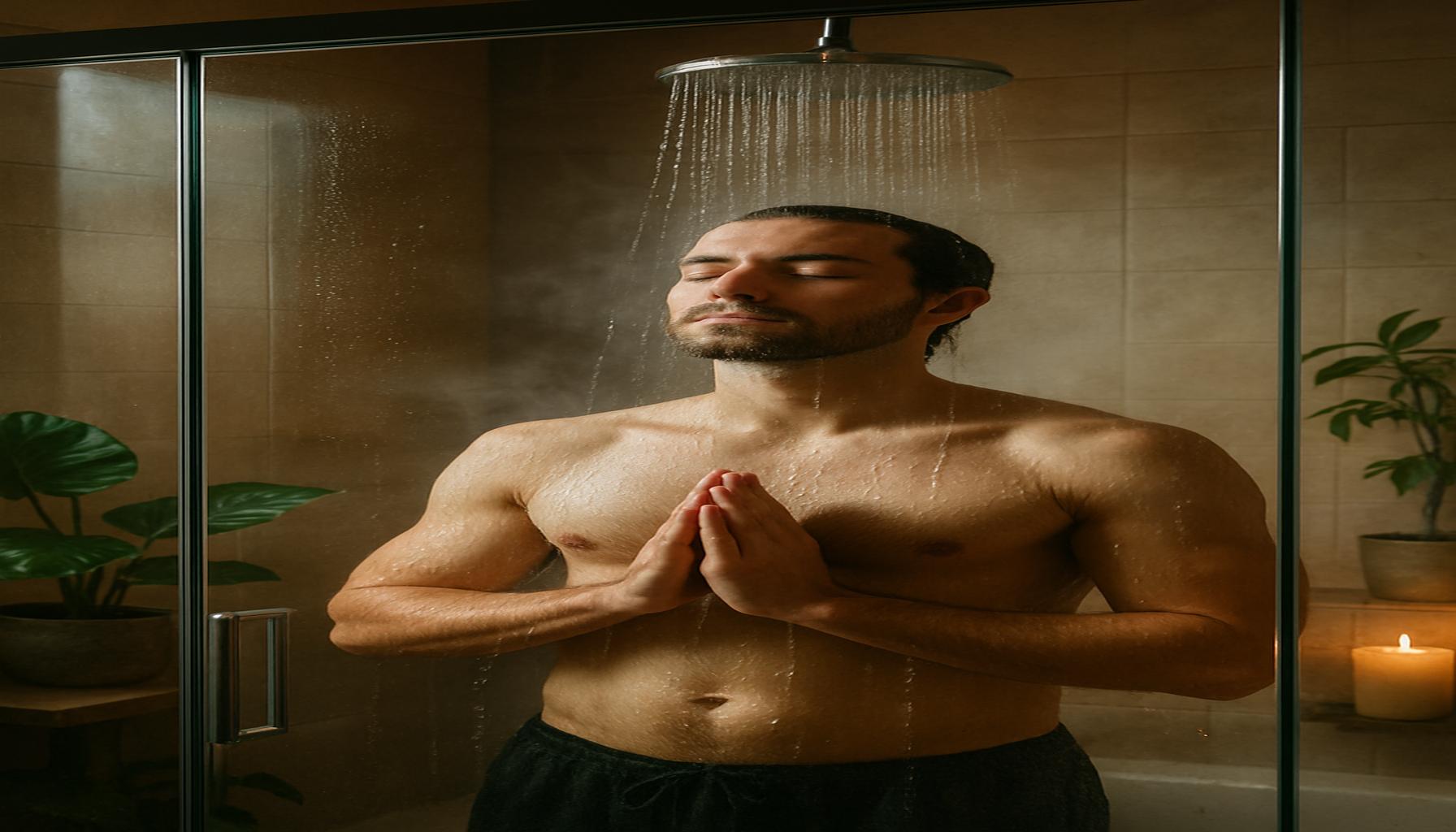
In our fast-paced world, finding moments of tranquility can often feel like a luxury. However, the time spent in the shower—a daily routine many of us take for granted—can serve as a powerful opportunity for mindfulness. By integrating mindfulness practices into your shower routine, you can transform this ordinary ritual into a profound meditation experience.
The concept of shower meditation is evolving rapidly, garnering attention for its potential mental health benefits. Consider these key aspects:
- Enhances Mental Clarity: Mindfulness during a shower can clear your mind.
- Reduces Stress: Water has a natural calming effect, helping to alleviate anxiety.
- Promotes Presence: Engaging fully in the experience fosters a sense of being present.
- Increases Creativity: Many people report enhanced creativity during water-based mindfulness.
- Encourages Self-Care: This ritual can elevate your self-care practices.
As you prepare to explore this intriguing practice, we will guide you through the Top 5 Techniques to seamlessly integrate mindfulness into your shower routine, allowing you to cultivate a deeper connection with yourself and the world around you.
Top 5 Ways to Practice Mindfulness During Showering: Transforming Your Daily Ritual Into Meditation
At some point, most of us have experienced the monotony of a daily routine, where tasks become mere habits repeated with little thought or engagement. Showering often falls into this category—a necessary but uninspired ritual meant solely for hygiene. However, with a shift in perspective, showering can become a powerful canvas for practicing mindfulness and meditation. By consciously adapting our approach to bathing, we can transform this simple act into a profound experience that enhances mental well-being, leaving us rejuvenated and centered. Here’s a ranked list of five key ways to incorporate mindfulness into your shower ritual, therefore amplifying your connection with the moment and the adventure of self-care.
5. Focus on the Sensation of Water
The act of showering offers a unique opportunity to engage with the natural element of water. Water has an intrinsic soothing quality; its touch can be both invigorating and calming depending on the temperature and flow. Instead of rushing through, pause and engage deeply with this sensation. Feel the cascade as it hits your skin—the warmth spreading through your muscles, the gentle pressure massaging your scalp.
By truly focusing on how the water interacts with your body, you are invited into the present moment. Notice the contrast of temperatures—perhaps your shower begins with a chilly droplet before warming into comfort. Pay attention to how the droplets seem to dance across various parts of your body and listen to the rhythmic drip-drip and gentle splash that might echo around you.
This simple act of awareness can be further enriched by:
- Experimenting with different water temperatures to create varied sensory experiences.
- Becoming conscious of your body’s movements and how they guide the water’s path.
- Closing your eyes to heighten your perception of the soundscape—the white noise of water striking tiles—a backdrop perfect for slipping into a meditative state.
4. Aromatherapy: Engage Your Sense of Smell
Your sense of smell is intricately connected to memory and emotion, making it a potent tool for mindfulness. Utilizing aromatherapy during your shower can enhance this experience by creating an olfactory landscape ripe for exploration and relaxation. Opt for fragrant products like eucalyptus, known for invigorating the senses, or lavender to promote tranquility and calm.
Aromatherapeutic scents have the remarkable ability to transport the mind, altering your mood and encouraging deep, restorative breathing. Imagine the steam mingling with a scent as it envelops you, forming a cloud of aroma that beckons you to inhale deeply, grounding you in the now.
To create a fragrant shower meditation, you might:
- Select scents that resonate with your emotional needs, such as peppermint for a mental boost or chamomile for de-stressing.
- Practice mindful breathing, taking full, deep inhales through the nose, letting the scent fill and relax your being.
- Let the fragrance guide you to memories or emotions, allowing past joys or comforts to wash over you gently.
3. Slow Down Your Routine
In today’s fast-paced world, many of us treat showering as just another task to complete swiftly. However, by deliberately slowing down, the act can become a ritual of care and mindfulness. Take the time to savor each motion, turning a rushed activity into an opportunity for reflection and self-awareness.
Consider extending your routine into a sequence of intentional, slow actions. Feel your muscles relax as you lather shampoo, the slippery slide of soap cushioning your skin from the harsh realities of the world outside. Invite your mind to savor the simplicity of each moment rather than racing through it.
Enhance this slower pace by:
- Moving with purpose, making each gesture—whether washing, rinsing, or drying—a deliberate act of self-care.
- Building pauses into your routine—stopping to breathe in the steam, absorb the warmth, and relish the solitude.
- Inviting stillness by simply standing under the water, allowing it to cascade over you as you sink into serenity.
2. Use Shower Time as a Meditative Space
The shower can be an unexpected haven for mindfulness meditation, offering a secluded space away from the noise of daily life. Within the confines of its comforting enclosure, you can focus easily on your breath, finding a moment of peace among the chaos. Let the sound of water become a gentle anchor, guiding your thoughts into a calm rhythm as the steam rises like fragrant prayers.
Whether you find solace in guided meditation or prefer the simplicity of controlled breathing, the rhythmic nature of showering can enhance these practices. Feel each breath as it moves down to your core, using each inhale and exhale as a cleansing act, not just physically but mentally too.
Embrace this meditative space by:
- Refocusing on your breathing whenever your thoughts begin to stray, letting each breath become a beacon back to the moment.
- Incorporating gentle affirmations or mantras, letting them reverberate through your mind, mirrored in the cascading water.
- Embracing gratitude within each breath, which can center your heart amidst the day’s stress.
1. Embrace Gratitude and Reflection
At the heart of mindful showering lies the practice of gratitude and reflection. As you immerse in the stream, allow your mind to wander through the day gone by or the day ahead—highlight the moments you’re thankful for, however small. This simple act can shift perspective, transform negative thought patterns, and bolster emotional resilience.
Imagine the shower as a cleansing ritual, not just cleansing your skin but washing away the stress and strain of mental fatigue. As the water travels from head to toe, let gratitude weave its way through your thoughts, lingering on the blessings that brighten your life.
Integrate gratitude into your shower routine by:
- Reflecting on specific moments of the day, from a beautiful sunrise to a kind word exchanged with a friend.
- Voicing your gratitude, even if just spoken softly in the seclusion of your shower space, as it reinforces the positivity internally.
- Visualizing a warm light engulfing you, embodying the blessings that enrich your reality.
By integrating these mindful practices into your daily shower routine, you enrich an ordinary activity, transforming it into a profound exercise in self-awareness and appreciation. This shift not only elevates your showering experience but also uplifts your spirit, nurturing both mind and body. So, the next time you turn the knob and step into the water’s embrace, remember to savor each drop, breathe in each scent, and cherish the opportunity to practice mindfulness during showering. You may find this simple ritual becomes a treasured sanctuary of peace and renewal in your day.
The practice of mindfulness during bathing offers numerous advantages that transcend mere hygiene. By transforming this everyday activity into a meditative ritual, individuals can embrace a multitude of beneficial aspects, enhancing their mental, emotional, and physical well-being.
| Category | Key Features | Advantages | Disadvantages | Who Benefits Most |
|---|---|---|---|---|
| Mental Clarity | Focus on the sensations of water, scent of soap, and sounds. | Improves concentration, reduces anxiety, and enhances mental clarity. | May take some practice for those with busy minds to adjust. | Individuals seeking to enhance their focus and reduce mental clutter. |
| Emotional Well-being | Engaging in self-compassion and positive affirmations. | Promotes self-love, reduces negative self-talk, and boosts mood. | Some might feel awkward initially when practicing self-affirmation. | Anyone struggling with self-esteem or emotional issues. |
| Physical Relaxation | Concentration on the warmth and feel of water on the skin. | Relieves tension, soothes muscles, and promotes relaxation. | Effects may vary depending on individual stress levels post-activity. | Those in high-stress environments looking for quick ways to unwind. |
| Mind-Body Connection | Being fully aware of bodily sensations and thoughts. | Enhances awareness of the body, thus improving overall health. | Some might find it challenging to stay connected to their body. | Those interested in deepening their understanding of their own body. |
Each of these categories highlights how incorporating mindfulness into the bathing routine can create a profound impact. It’s an accessible path towards meditation that is inherent in daily life, benefiting not only those seeking solace but also individuals keen on enhancing their overall quality of life.
By embracing mindfulness in such a familiar context, individuals may find that even simple moments, like a shower or a bath, can serve as a gateway to greater awareness, peace, and healing. This integration allows for a richer, more meaningful connection to the self and the world around us. Imagine unlocking new levels of tranquility and self-understanding in the very place where one might typically feel most at ease.
Frequently Asked Questions About Practicing Mindfulness During Bathing
What is the benefit of practicing mindfulness during a bath?
Engaging in mindfulness during your bath can enhance relaxation and reduce stress by focusing your mind on the present moment. This practice helps you to live in the “now,” promoting a sense of peace and allowing for a deeper connection with yourself. Moreover, mindfulness during bathing can improve mental clarity and rejuvenate both body and mind, making your bathing routine a more enriching experience.
How can one start incorporating mindfulness into their bath routine?
Incorporating mindfulness into your bath routine can begin with something as simple as paying attention to the sensations of water on your skin. Concentrate on the temperature, the way it flows, and the sound it makes. Gradually, you can focus on your breathing, ensuring each breath is deep and intentional. Additionally, savoring the scent of soaps or oils can further anchor your mind, transforming your bath into a moment of meditation.
Is there a specific time of day that is best for mindful bathing?
There is no strictly defined “best” time for mindful bathing; it largely depends on personal preference and lifestyle. Some people may find that an evening bath is more conducive to unwinding after a busy day, facilitating a better night’s sleep. Others might prefer morning baths to kick-start their day with a calm and centered mindset. Paying attention to how your body responds can guide you to choose the optimal time for your bathing meditation.
Can practicing mindfulness during a bath replace traditional meditation sessions?
While mindful bathing can be a valuable addition to your meditation practice, it is not generally considered a complete replacement for traditional meditation sessions. Traditional meditation typically involves a more focused and prolonged period of stillness and introspection. However, for those with a busy schedule, integrating mindfulness into daily activities such as bathing can be an excellent way to cultivate mindfulness skills consistently.
What should I do if I find it difficult to focus while practicing mindfulness in the bath?
It is common to encounter distractions while practicing mindfulness in any setting. If you find it difficult to focus, begin by acknowledging this challenge without judgment. Redirect your attention to your senses and breathe deeply. Visual cues, like a flickering candle, or auditory cues, such as calming music, can also help maintain your focus. Over time, with consistent practice, your ability to concentrate during mindfulness sessions will likely improve.
Conclusion: Embracing Mindfulness in Everyday Rituals
The practice of mindfulness during showering exemplifies how a mundane daily ritual can be transformed into a profound meditative experience. This simple yet impactful shift encourages individuals to be fully present, promoting mental clarity and emotional balance. By focusing on the sensation of water on the skin, the sound of droplets, and the scent of soap, one can cultivate a deeper awareness of the moment, shedding the stress of daily life.
The shower, often a place for routine hygiene, becomes a sanctuary for introspection and calming rituals. By integrating mindfulness practices, we not only nurture our bodies but also invigorate our minds, prompting relaxation and reducing anxiety. This practice can enhance our overall well-being and allow us to carry the sense of peace and presence into other aspects of our daily lives.
Furthermore, the idea of engaging in mindful showering sheds light on the immense potential of everyday activities to become meditative practices with the right mindset. This perspective challenges the notion that meditation must occur in a formal or isolated setting. Instead, it empowers individuals to find serenity and mindfulness in the ordinary, transforming the tedious into the extraordinary.
As more people seek ways to manage stress and improve mental health, shower meditation represents a practical and accessible method. This practice’s simplicity ensures it can be seamlessly woven into any routine, fostering a culture of mindfulness and thoughtful living. Thus, embracing this approach could be a stepping stone towards a more mindful existence and an opportunity to discover peacefulness in the familiar.
Related posts:
Bath as Sanctuary: Creating a Refreshing Meditation Space
Ritual of Renewal: Incorporating Meditation in the Bath to Relieve Stress
Creating a Calm Environment: Design Elements for a Revigorating Meditation in the Shower
The Importance of Revitalizing Baths in Shower Meditation
Music and Sounds of Nature: Enhancing Connection During Shower Meditation
Breathing Techniques to Enhance the Feeling of Renewal During Shower Meditation

Linda Carter is a writer and meditation guide specializing in mindfulness practices and inner peace. With extensive experience helping individuals cultivate mental clarity and emotional balance, Linda shares her wisdom on our platform. Her goal is to empower readers with practical techniques and mindful strategies to reduce stress, enhance self-awareness, and achieve lasting tranquility in daily life.